Acubi fashion has gained attention for its relaxed clothing, simple colours, and distinctive Korean streetwear influence. Instead of relying on bold patterns or expensive accessories, this style combines everyday pieces in thoughtful ways. Baggy jeans, fitted shirts, lightweight cardigans, and comfortable sneakers are some of its most recognisable elements. The appeal lies in how easily these clothes fit into daily life. You can create an Acubi-inspired outfit using basic wardrobe pieces without following every fashion trend. Understanding its origins, clothing choices, and styling techniques can help you develop a look that feels comfortable and personal.
What Is Acubi Fashion?
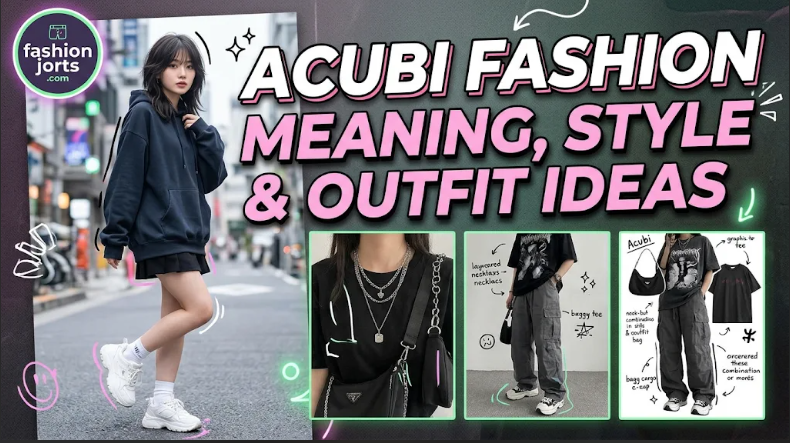
Acubi fashion is a Korean-inspired clothing aesthetic that combines minimalist designs with elements of Y2K and alternative streetwear. It focuses on relaxed silhouettes, fitted tops, muted colours, and carefully arranged layers. The overall appearance is casual, with subtle details that distinguish it from ordinary everyday clothing. A typical outfit might include wide-leg jeans, a fitted grey shirt, and a cropped cardigan. Some variations feature mesh fabrics, asymmetrical necklines, or distressed denim. Although certain clothing combinations are closely associated with the aesthetic, there are no strict rules about what someone must wear.
Where Did Acubi Fashion Originate?
The Acubi aesthetic is associated with South Korean fashion and the clothing label Acubi Club. As outfits inspired by this look appeared across social media, the name became connected with a broader clothing style. Its popularity grew through online fashion communities interested in Korean streetwear and minimalist outfits. Several earlier fashion movements influenced its appearance. Y2K clothing contributed fitted tops and loose denim, while alternative streetwear introduced darker colours and layered garments. These influences gradually came together in a style that feels contemporary without depending on elaborate clothing.
Key Characteristics of the Acubi Aesthetic
Neutral Colours and Washed Fabrics
Acubi outfits commonly use black, charcoal, grey, white, beige, and muted brown. These colours create a consistent appearance while allowing different garments to be combined easily. Faded denim and washed cotton are also popular because they add texture without introducing strong patterns. The colour choices do not have to be completely monochrome. Soft olive, dusty blue, and cream can work alongside darker pieces. Combining similar shades with different fabrics helps an outfit look more considered while remaining simple.
Contrasting Clothing Shapes
One of the defining characteristics of this style is the combination of fitted and oversized garments. A slim baby tee can be paired with loose cargo trousers, while a fitted tank top works well beneath a roomy jacket. This difference in proportions gives the clothing a balanced appearance. Comfort remains an important consideration when choosing these shapes. Wide-leg trousers should allow natural movement, and fitted tops should not feel restrictive. Selecting clothing that suits your body and personal preferences is more useful than copying a particular silhouette exactly.
Layering and Small Details
Layering adds personality to outfits without requiring bright colours or large accessories. A thin long-sleeved shirt beneath a sleeveless top creates visual interest, while a cropped cardigan adds shape over a basic tank. Lightweight fabrics are particularly useful because they prevent multiple layers from feeling bulky. Small design features can also change how an outfit looks. Thumb-hole sleeves, exposed seams, subtle cutouts, and unusual necklines are sometimes found in Acubi-inspired clothing. These details work best when they complement the rest of the outfit rather than compete for attention.
Essential Clothing Pieces for an Acubi Wardrobe
Building a wardrobe around this aesthetic begins with versatile tops. Plain baby tees, ribbed tank tops, fitted long-sleeved shirts, and simple cardigans provide several styling options. Choosing neutral shades makes it easier to create different combinations from a limited number of garments. Loose trousers are another useful foundation. Wide-leg jeans, cargo pants, and relaxed straight-leg trousers work with both fitted and oversized tops. Washed black denim is especially adaptable because it can be paired with lighter shirts or darker outerwear. Outerwear adds flexibility during cooler weather. Zip-up hoodies, cropped jackets, and lightweight knitwear can change the appearance of an outfit without replacing its main pieces. A charcoal hoodie over a white shirt, for example, creates a different look from the same shirt worn beneath a fitted cardigan. Footwear and accessories complete the wardrobe. Sneakers are practical for casual outfits, while ankle boots and Mary Jane shoes provide alternative styling options. Small shoulder bags, slim belts, and simple jewellery can add detail without making the clothing appear overcrowded.
Acubi Fashion Outfit Ideas for Everyday Wear
For a casual daytime outfit, combine a fitted white shirt with faded blue jeans and grey sneakers. A black shoulder bag adds contrast, while a lightweight cardigan provides an optional layer. This combination is comfortable enough for shopping, meeting friends, or spending time outdoors. A darker outfit can feature charcoal cargo trousers, a black long-sleeved top, and ankle boots. Adding a narrow belt or a small silver necklace introduces detail without changing the understated appearance. Different fabric textures help separate the garments when most of the outfit uses similar colours. For a softer look, try a cream tank top with beige trousers and a light grey cardigan. White sneakers keep the outfit relaxed, while a small brown bag introduces a warmer shade. This combination works particularly well for people who prefer lighter clothing over darker streetwear. An outfit for cooler weather can include baggy black jeans, a fitted thermal shirt, and an oversized zip-up hoodie. Comfortable boots and a crossbody bag make the combination practical for everyday activities. Choosing layers that can be removed easily also helps when moving between indoor and outdoor spaces.
Acubi Fashion vs. Y2K Fashion
Acubi and Y2K fashion share certain clothing elements, including cropped tops, baggy jeans, and fitted shirts. However, they differ in their overall styling. Y2K fashion frequently draws inspiration from early-2000s pop culture, including colourful accessories, shiny materials, and decorative clothing. Acubi generally uses quieter colours and simpler combinations. Instead of making one bold item the centre of attention, it creates interest through layering, proportions, and fabric choices. The result often feels more understated than the playful appearance associated with many Y2K outfits. The two styles are not completely separate. Someone wearing loose jeans and a cropped shirt could incorporate elements of both aesthetics. The distinction usually becomes clearer through accessories, colour choices, and the way individual garments are combined.
How to Build an Acubi Wardrobe on a Budget
You do not need to purchase an entirely new wardrobe to experiment with this style. Start by checking your existing clothes for plain shirts, relaxed jeans, comfortable sneakers, and lightweight jackets. These basics can often be combined in several ways without additional spending. Second-hand clothing shops are useful places to find oversized denim, faded trousers, and simple knitwear. Look carefully at fabric condition, stitching, and measurements before buying. A well-fitting second-hand jacket can be more practical than an expensive item purchased only because it resembles a social media outfit. Another useful approach is to choose clothing that works with several pieces you already own. A neutral cardigan, for example, can be worn over different shirts and paired with jeans or trousers. This reduces unnecessary purchases and makes getting dressed easier. Personal comfort should guide your final choices. You can adjust the length of a top, choose a different trouser fit, or wear your preferred shoes without losing the overall aesthetic. Developing your own combinations makes the wardrobe more useful beyond a single trend.
Conclusion
Acubi fashion shows how ordinary clothing can create a distinctive appearance through thoughtful styling. Its combination of relaxed trousers, fitted tops, and muted colours makes it accessible to people with different budgets and clothing preferences. The aesthetic also leaves room for experimentation. Darker outfits can feel closer to alternative streetwear, while lighter combinations create a softer appearance. Neither approach requires following a fixed collection of clothing rules. Rather than buying every item associated with the trend, focus on garments that fit well and suit your daily activities. Experiment with different proportions and layers until you find combinations you enjoy wearing. A practical wardrobe should remain useful as personal tastes change. Choosing comfortable, versatile pieces allows you to enjoy Acubi-inspired outfits without depending on constant new purchases.