The shirtwaist became one of the most recognizable garments in women’s fashion during the late nineteenth and early twentieth centuries. Designed with the structure of a man’s shirt, it offered an alternative to the elaborate bodices that had dominated earlier clothing styles. Its popularity grew as women sought practical outfits suitable for work, education, and everyday activities. Beyond its appearance, the garment reflects an important period in fashion history. It was associated with changing social expectations, expanding clothing production, and the development of modern women’s wardrobes. Its story also includes one of the most tragic events in American industrial history.
What Is a Shirtwaist?
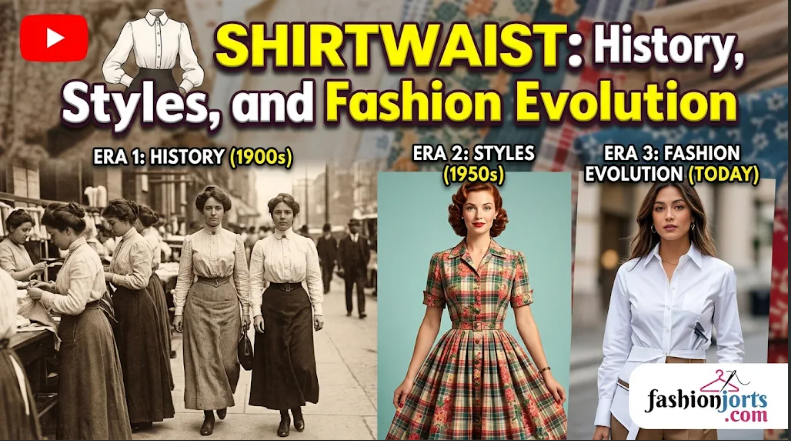
A shirtwaist is a women’s blouse traditionally worn with a separate skirt. Its design generally includes a collar, front buttons, and sleeves inspired by men’s tailored shirts. Unlike a complete dress, the blouse could be combined with different skirts to create several outfits. Historical designs ranged from simple cotton garments to decorative blouses featuring lace, embroidery, and pleated fabric. The term became widely used during the 1890s, although similar styles had appeared earlier. In American fashion terminology, the word waist commonly referred to the upper portion of a woman’s outfit.
The History of the Shirtwaist
The development of the shirtwaist coincided with changes in women’s daily lives and clothing preferences. During the nineteenth century, fashionable dresses often featured closely fitted bodices that required careful tailoring. Separate blouses gradually offered another option, particularly as ready-made garments became more accessible.
How the Shirtwaist Became Popular in the 1890s
During the 1890s, tailored blouses gained recognition as fashionable daytime clothing. Women increasingly participated in office work, education, and outdoor recreation, creating demand for garments that suited different activities. The combination of a blouse and long skirt offered flexibility while maintaining the formal appearance expected at the time. The style became closely associated with the Gibson Girl, a fashionable female ideal illustrated by American artist Charles Dana Gibson. His drawings frequently showed women wearing high-collared blouses, fitted skirts, and elaborate hairstyles. These illustrations helped popularize a confident, independent image of modern womanhood.
Shirtwaists During the Edwardian Era
The Edwardian period introduced softer fabrics and more elaborate decorative details. Blouses frequently featured lace inserts, embroidery, high collars, and carefully arranged pleats. White garments were especially fashionable because they created a clean, polished appearance. Sleeve shapes also changed as fashion developed. Some designs featured fullness around the shoulders, while others followed a narrower silhouette. Although the blouse offered practical advantages, many women continued wearing corsets and other structured undergarments beneath their clothing.
What Did Traditional Shirtwaists Look Like?
Traditional shirtwaists combined tailored construction with decorative elements. Collars ranged from simple turned-down designs to high standing styles, while buttons provided a practical fastening method. Some garments included fabric gathers around the shoulders or chest to create a softer shape. Materials varied according to purpose and affordability. Cotton and linen were suitable for everyday clothing because they could be washed, while silk was often chosen for more formal occasions. Lace, embroidery, and small fabric tucks added detail to fashionable examples. The overall appearance also depended on how the blouse was worn. A tucked-in waist created a defined silhouette when paired with a long skirt. Belts and fitted waistbands sometimes helped maintain the intended shape.
Why Did Women Wear Shirtwaists?
One reason for the garment’s popularity was its versatility. Women could wear the same blouse with different skirts, allowing them to change their appearance without purchasing a completely new outfit. This made separate clothing particularly useful for people managing limited wardrobes. The design also suited occupations that required presentable daytime clothing. Teachers, office employees, and shop workers adopted tailored blouses as part of their everyday dress. Compared with some elaborate fashionable bodices, simpler versions were easier to maintain. Shirtwaists also appeared in recreational clothing. Women participating in activities such as cycling and walking often preferred outfits that allowed more practical movement. Although these garments were not equivalent to modern sportswear, they reflected changing expectations about what women could wear outside the home.
The Shirtwaist and the Ready-to-Wear Industry
The growing popularity of shirtwaists coincided with the expansion of factory-made clothing. Improvements in sewing machinery and manufacturing methods allowed companies to produce garments in larger quantities. Department stores and clothing retailers could then offer fashionable blouses to customers who previously relied on home sewing or dressmakers. Ready-made clothing increased access to changing fashion trends. Women could purchase different styles without commissioning individually fitted garments. However, sizing was less standardized than it is today, and alterations were sometimes necessary. The industry’s growth also created difficult working conditions for many employees. Garment factories frequently depended on immigrant labor, including young women who worked long hours for low wages. These problems eventually became central concerns for labor organizers and workplace reformers.
The Triangle Shirtwaist Factory Fire of 1911
On March 25, 1911, a devastating fire broke out at the Triangle Waist Company in New York City. The factory occupied the upper floors of the Asch Building near Washington Square. The disaster killed 146 workers, most of whom were young immigrant women. Dangerous factory conditions contributed to the high death toll. Workers faced inadequate escape arrangements, and some exits were inaccessible during the emergency. Many victims were trapped as flames spread through the building. The tragedy generated widespread public anger and renewed demands for workplace protections. Investigations and reform campaigns helped bring changes to factory inspection practices, fire safety requirements, and labor regulations in New York. The disaster remains an important event in the history of American workers’ rights.
Shirtwaist vs. Shirtwaist Dress
Although the names are similar, a shirtwaist and a shirtwaist dress are different garments. The traditional shirtwaist is a separate blouse designed to be worn with a skirt. A shirtwaist dress combines a shirt-style bodice and skirt into one complete outfit. Shirtwaist dresses became especially recognizable in twentieth-century fashion. Many featured collars, front buttons, fitted waistlines, and belts. Their design offered the appearance of a coordinated blouse and skirt without requiring two separate pieces. The distinction is useful when examining historical clothing descriptions. Older advertisements sometimes used terminology differently from modern fashion retailers. Understanding the garment’s construction helps identify whether a historical reference describes a blouse or a complete dress.
How the Shirtwaist Influenced Modern Fashion
The shirtwaist helped establish the tailored blouse as a familiar part of women’s clothing. Its combination of a structured collar, button fastening, and decorative details can still be seen in contemporary designs. Modern office shirts and vintage-inspired blouses share several characteristics with their historical predecessors. Designers also continue to revisit features associated with Victorian and Edwardian clothing. Puff sleeves, embroidered collars, lace panels, and gathered fabric appear in modern collections. These details can create a historical influence without reproducing an entire period outfit. For everyday styling, a vintage-inspired blouse can be paired with tailored trousers or a high-waisted skirt. Simpler accessories allow decorative details to remain the focus. The result connects historical design with clothing suitable for contemporary wardrobes.
Conclusion
The shirtwaist marked an important development in women’s clothing by bringing together tailored design and everyday practicality. Its popularity reflected the growing demand for garments that could accommodate different activities while remaining fashionable. Its history also demonstrates how clothing production changed during industrialization. Ready-made garments became more accessible, but factory workers often faced difficult and dangerous conditions that demanded reform. Today, surviving examples provide valuable evidence of historical craftsmanship, social expectations, and changing fashion preferences. Their construction reveals how designers balanced decorative styles with the practical needs of the period. For anyone interested in fashion history, understanding the shirtwaist offers a clearer picture of how familiar modern garments developed. Its influence remains visible in the tailored blouses and shirt-inspired dresses worn today.