The 1920s brought a noticeable change in how people dressed. Women’s clothing became lighter and less restrictive, while men’s wardrobes began to include more relaxed tailoring and casual outfits. Fashion reflected changing attitudes toward work, entertainment, and personal freedom. Often called the Roaring Twenties, the decade is remembered for flapper dresses, bobbed hairstyles, elegant suits, and decorative accessories. Yet these famous styles represented only part of what people wore. Everyday clothing was usually more practical, and fashion choices depended on age, income, occupation, and social occasions.
What Was Fashion Like in the 1920s?
Clothing during the 1920s moved away from many of the formal conventions of the previous generation. Women’s dresses developed straighter shapes, waistlines dropped toward the hips, and skirts gradually became shorter. Men’s clothing retained traditional elements but introduced looser trousers and comfortable fabrics. The decade also brought greater variety to everyday wardrobes. Sportswear became more fashionable, ready-made clothing expanded, and department stores helped make popular styles accessible to more shoppers. However, expensive designer garments remained beyond the reach of many families.
Women’s Fashion in the 1920s
Women’s clothing experienced some of the decade’s most recognisable changes. Designers experimented with relaxed silhouettes that placed less emphasis on the natural waist. These garments suited the growing popularity of dancing, outdoor recreation, and more active lifestyles.
Flapper Dresses and Eveningwear
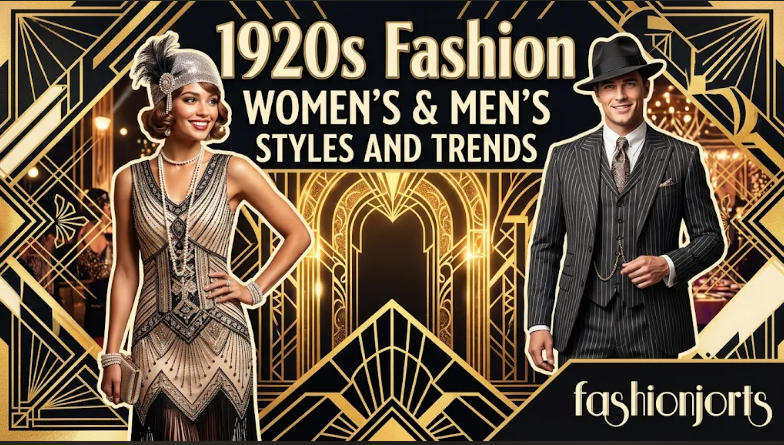
Flapper dresses became associated with young women who embraced the music and social culture of the Jazz Age. Their loose construction allowed greater movement, particularly during energetic dances such as the Charleston. Evening designs often featured beads, sequins, embroidery, or lightweight silk. Modern costumes frequently portray flapper dresses as short garments covered entirely in fringe. Authentic examples were more varied, with some featuring geometric patterns, delicate panels, or elaborate beadwork instead. Eveningwear could also be longer and more formal than popular images suggest.
Everyday Dresses and Casual Clothing
Daytime clothing was generally simpler than outfits worn to parties or fashionable restaurants. Women commonly wore cotton dresses, wool skirts, blouses, knitted cardigans, and practical coats. Decorative collars, buttons, pleats, and belts added detail without making garments difficult to wear. Working women often prioritised durability and comfort when selecting clothes. Office workers might choose tailored dresses or skirt-and-blouse combinations, while women performing physical work needed sturdier garments. Personal circumstances influenced wardrobes as much as changing fashion trends.
Dropped Waist Dresses
The dropped waist became a defining feature of women’s clothing during the middle of the decade. Instead of emphasising the narrowest part of the torso, dresses positioned the waist seam or belt closer to the hips. This produced a straight silhouette that contrasted with earlier fitted styles. Designers used pleats, gathered skirts, and contrasting fabrics to create variety within this shape. Some dresses were simple enough for everyday wear, while others featured expensive materials and decorative stitching. By the end of the decade, waistlines were gradually returning toward their natural position.
Women’s Sportswear in the 1920s
The growing popularity of tennis, swimming, golf, and other recreational activities encouraged changes in women’s clothing. Traditional garments were often unsuitable for exercise, creating demand for lighter and more flexible designs. Knitted sweaters, practical skirts, and coordinated sports outfits became increasingly fashionable. Designers such as Coco Chanel and Jean Patou helped bring sports-inspired clothing into wider fashion. Comfortable garments were no longer limited to athletic activities and began appearing in casual social settings. This development influenced everyday dressing well beyond the 1920s.
Men’s Fashion in the 1920s
Men’s clothing remained relatively formal compared with women’s changing styles. Suits continued to dominate business wardrobes, although younger men experimented with different cuts and more relaxed outfits. Leisure activities also encouraged greater separation between formal and casual clothing.
Three-Piece Suits and Formal Clothing
The three-piece suit remained a standard choice for professional and social occasions. It consisted of a matching jacket, waistcoat, and trousers, commonly made from wool, tweed, or flannel. Pinstripes, checks, and solid colours offered different appearances without abandoning traditional tailoring. Formal eveningwear included dinner jackets, bow ties, polished leather shoes, and carefully pressed shirts. Tailcoats remained appropriate for particularly formal events, while dinner suits were suitable for other evening occasions. Clothing choices reflected the expectations of each setting.
Oxford Bags and Wide-Leg Trousers
Oxford bags were unusually wide trousers associated with British university students during the 1920s. Their generous shape offered a striking alternative to narrower styles and attracted attention among fashionable young men. The trend helped popularise wider trouser cuts in casual menswear. These trousers were often worn with jackets, shirts, and knitted garments. Pressed creases and turn-ups remained common tailoring details, even as the overall fit became more relaxed. Not every man adopted the exaggerated width associated with Oxford bags.
Casual Clothing and Sportswear
Casual menswear became more varied as recreational activities gained popularity. Sweaters, knitted pullovers, sports jackets, and plus-fours were practical choices for outdoor pursuits. Golf and tennis influenced clothing that balanced comfort with a smart appearance. Men also wore flat caps, lightweight jackets, and comfortable trousers during informal activities. These outfits were different from business suits but still followed established expectations of neat dressing. Casual clothing gradually became a more distinct part of men’s wardrobes.
Popular 1920s Hairstyles and Accessories
Hairstyles and accessories helped complete fashionable outfits. Shorter hair became increasingly popular among women, while hats, jewellery, and footwear reflected the changing proportions of clothing. Many accessories were designed to complement particular occasions rather than serve as everyday essentials.
Women’s Bob Haircuts and Finger Waves
The bob haircut became one of the decade’s most recognisable beauty trends. Women adopted chin-length cuts, shorter Eton crops, and carefully shaped styles that differed from the elaborate long hairstyles of earlier years. The change was particularly associated with fashionable urban youth. Finger waves created smooth curves close to the head and were suitable for both short and longer hair. Hairdressers used careful styling techniques to achieve the distinctive pattern. These hairstyles appeared frequently in fashion photography and cinema.
Cloche Hats, Jewellery, and Handbags
Cloche hats fitted closely around the head and complemented the fashionable bob haircut. Their bell-shaped design often featured narrow brims, ribbons, or decorative trimming. Women wore them with coats and daytime dresses for a coordinated appearance. Jewellery included long necklaces, brooches, bracelets, and decorative earrings. Small leather handbags were practical for daytime use, while beaded purses complemented formal evening clothing. Art Deco-inspired geometric designs appeared in many fashionable accessories.
Popular Shoes in the 1920s
Women’s shoes became more visible as fashionable skirt lengths rose. Mary Jane shoes featured straps across the instep, while T-strap designs provided another popular option. Evening footwear sometimes incorporated satin, metallic finishes, or decorative buckles. Men commonly wore leather Oxford shoes, brogues, and other lace-up styles. Two-tone shoes were also associated with fashionable leisure outfits. Practical footwear remained important for work and outdoor activities.
Fabrics and Colours Popular in the 1920s
Fabric selection depended on the purpose of the garment and the wearer’s budget. Cotton and wool were common in everyday clothing, while silk, chiffon, velvet, and satin appeared in more expensive designs. Rayon provided another option as manufactured fibres became increasingly available. Colours varied considerably between daytime and evening clothing. Navy, brown, cream, grey, and black were practical choices, while richer shades and metallic finishes appeared in decorative garments. Printed fabrics, stripes, checks, and geometric patterns added variety to fashionable wardrobes.
How Fashion Changed Throughout the 1920s
The early years of the decade retained some features of late Edwardian clothing. Women’s skirts were generally longer, and the transition toward straighter silhouettes was still developing. Gradually, designers lowered waistlines and simplified dress construction. By the middle of the decade, shorter skirts and dropped waists had become especially fashionable. Hemlines reached their shortest point around 1926, although actual lengths varied according to the garment and occasion. The familiar flapper silhouette became particularly associated with this period. Toward the end of the 1920s, skirts began lengthening again. Waistlines became more varied, and eveningwear increasingly featured flowing fabrics and uneven hems. These developments anticipated the more fitted and elegant styles associated with the 1930s.
Famous Fashion Designers of the 1920s
Coco Chanel helped popularise comfortable clothing, jersey fabrics, and understated designs. Her work challenged the idea that fashionable women’s clothing needed elaborate construction or heavy decoration. She became closely associated with modern simplicity. Jeanne Lanvin offered a different approach through her robe de style dresses, which featured fuller skirts and decorative details. Jean Patou became known for fashionable sportswear, while Madeleine Vionnet developed sophisticated cutting and draping techniques. Their contrasting approaches demonstrate the variety of design during the decade.
How Jazz and Hollywood Influenced 1920s Fashion
Jazz music helped shape the social environment in which new evening styles became fashionable. Dance halls encouraged clothing that allowed movement, while decorative fabrics created visual interest under artificial lighting. The popularity of the Charleston also strengthened the association between youthful fashion and entertainment. Hollywood introduced fashionable clothing and hairstyles to audiences far beyond major fashion centres. Silent film stars influenced beauty trends, while magazines and advertisements helped spread popular styles. The Harlem Renaissance contributed to the decade’s cultural life through Black American music, performance, and artistic expression.
Conclusion
1920s fashion reflected changing expectations about comfort, appearance, and everyday life. Clothing became more varied as designers responded to new recreational activities and social habits. The decade also created opportunities for people to experiment with styles that differed from earlier traditions. The period cannot be understood through flapper dresses alone. Working clothes, sportswear, tailored suits, and traditional garments were equally important parts of ordinary wardrobes. Fashion remained closely connected to income, occupation, and personal preference. Designers introduced ideas that continued to influence clothing in later decades. Relaxed silhouettes, practical sportswear, and simpler construction helped establish a different approach to dressing. These changes were gradual but lasting. Anyone recreating a historical outfit should consider the specific year, occasion, and social setting. A daytime dress from 1922 would not necessarily resemble an evening gown from 1928. Paying attention to those differences produces a more accurate understanding of the period.