
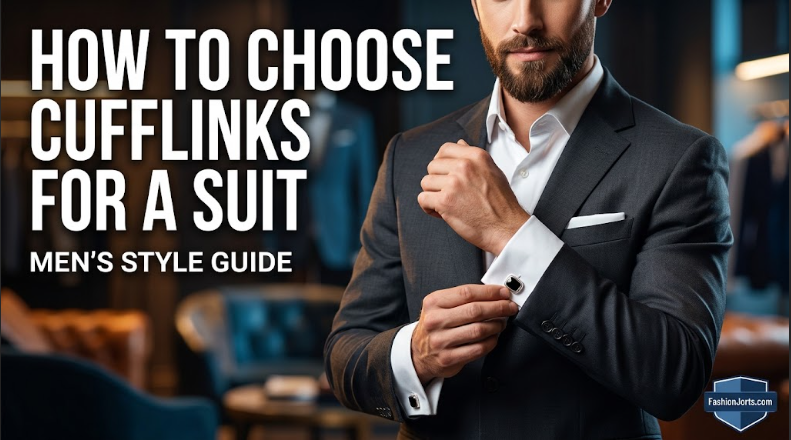
A suit can look sharp without many accessories, but the right details make a difference. Cufflinks add a finishing touch to formal clothing and give you a chance to show your personal style. They can make a simple white shirt look more refined without changing the rest of your outfit. Choosing a pair isn’t always straightforward. Different materials, shapes, and fastening styles suit different shirts and occasions. Your watch, suit color, and personal preferences also deserve consideration. The best approach is to choose cufflinks that complement your outfit rather than compete with it.
Start With the Right Shirt Cuffs
Before looking at designs, check your dress shirt. Traditional cufflinks work with French cuffs and certain convertible cuffs. These shirts have openings that allow the cufflink to pass through and hold the fabric together. French cuffs fold back over themselves, creating a neat, double-layered finish. They’re a popular choice for formal shirts and work particularly well with tailored suits. Convertible cuffs offer more flexibility because they can usually be fastened with buttons or cufflinks. Standard button cuffs are different. They have sewn-on buttons and generally aren’t designed for traditional cufflinks. If you want to wear cufflinks regularly, investing in a well-fitted French-cuff shirt is a sensible starting point.
Consider Your Suit’s Color
The color of your suit can help you narrow down suitable cufflink designs. You don’t need an exact color match, but the combination should look balanced. Think about the overall appearance of your outfit rather than choosing each accessory separately.
Navy Suits
Navy is an easy color to style because it works with several metal finishes. Silver and stainless steel offer a clean, understated appearance. Gold can add warmth, while dark enamel creates a subtle contrast.
Black Suits
Black suits look best with accessories that maintain their formal character. Silver, black onyx, and mother-of-pearl are suitable choices. For evening events, avoid overly bright designs that distract from the rest of your clothing.
Grey Suits
Grey provides plenty of room for experimentation. Silver creates a traditional appearance, while gold introduces warmth. Dark cufflinks can also look attractive against a lighter grey suit.
Brown and Beige Suits
Earthy suit colors pair naturally with warm metal finishes. Gold, bronze, and antique brass can complement these shades. Wooden cufflinks are another option for relaxed occasions, particularly when the rest of your outfit has a casual feel.
Choose a Material That Fits Your Lifestyle
Cufflinks come in different materials, each with its own appearance and care requirements. Your decision should depend on how often you plan to wear them and how much maintenance you’re comfortable with.
Silver and Stainless Steel
Silver cufflinks are a dependable choice for formal clothing. They work with most suit colors and have a classic appearance that doesn’t quickly go out of style. Sterling silver may tarnish over time, so it needs occasional cleaning. Stainless steel is a practical alternative for regular use. It generally requires less maintenance and comes in polished, brushed, and darker finishes. If you want one pair for office meetings and occasional events, stainless steel is worth considering.
Gold and Gold-Plated Designs
Gold cufflinks offer a warmer appearance than silver. They’re particularly attractive with navy, brown, and beige suits. Solid gold and gold-plated options differ in price, construction, and long-term durability, so check the material description before buying.
Onyx and Mother-of-Pearl
Black onyx is a popular choice for traditional evening clothing. Its dark surface creates a strong contrast against a white shirt. Mother-of-pearl offers a softer appearance, with natural variations that make each piece distinctive. Both materials work well for weddings and formal dinners. However, they need gentle handling because delicate decorative surfaces can become scratched or damaged.
Pick a Shape That Complements Your Outfit
The shape of your cufflinks affects their overall appearance. Some designs are simple enough for everyday formal wear, while others make a stronger statement. Round cufflinks are among the easiest styles to wear. Their traditional shape works with classic suits and modern tailoring. Square designs offer a sharper appearance and suit people who prefer clean, geometric accessories. Oval cufflinks have a softer, traditional look. They’re a good option for formal outfits with classic tailoring. Personalized designs are also worth considering if you want something meaningful, such as engraved initials or a special date. Silk knot cufflinks provide a more relaxed alternative to metal designs. Their fabric construction adds color and texture, making them suitable for daytime gatherings and less formal celebrations.
Coordinate Your Cufflinks With Other Accessories
Your cufflinks shouldn’t look disconnected from the rest of your outfit. Consider the watch, belt buckle, tie bar, and other visible accessories before making your choice. Coordinating their finishes can create a more consistent appearance. For example, silver cufflinks look natural with a stainless-steel watch. Gold designs can complement a gold watch or other warm metallic details. You can mix different finishes, but avoid introducing too many competing colors. Your tie and pocket square also deserve attention. If your cufflinks feature colored enamel, a similar shade in your tie or pocket square can bring the outfit together. There’s no need to match everything exactly; a subtle connection is usually enough.
Dress According to the Occasion
A pair that works for an office meeting might not be suitable for a wedding or formal evening event. Consider the setting before choosing a decorative design. For business clothing, simple metal cufflinks are usually the safest option. Silver, brushed steel, and understated black designs look professional without drawing unnecessary attention. In conservative workplaces, avoid novelty shapes and bright colors. Weddings offer more freedom. Gold, mother-of-pearl, and engraved cufflinks can complement the groom’s outfit. Guests should choose something elegant that suits the dress code without trying to outshine the wedding party. Black-tie events call for a more restrained approach. Choose polished metal, black onyx, or mother-of-pearl designs. If you’re wearing a formal shirt with studs, coordinate their appearance with your cufflinks. For casual gatherings, colorful enamel and silk knots can add personality. These designs work best when the rest of your outfit is relatively simple.
Understand the Different Fastening Mechanisms
The fastening style determines how your cufflinks attach to the shirt. Some mechanisms are easier to handle than others, so beginners should pay attention to this detail. Bullet-back cufflinks have a small rotating bar that passes through the shirt’s buttonholes. Once inserted, the bar turns sideways to secure the cuff. They’re popular because they’re straightforward to use. Whale-back cufflinks use a hinged fastening piece that opens and closes. They’re another practical choice for regular wear. Fixed-back designs have no moving parts, although inserting them can require a little more patience. Chain-link cufflinks connect two decorative ends with a short chain. They have a traditional appearance and allow some flexibility around the cuff. However, they may take longer to fasten than other styles.
Pay Attention to Size and Comfort
A cufflink should look proportionate to your wrist and shirt cuff. Oversized designs can appear bulky, while very small pieces may not stand out enough. Consider the size of the decorative face and how it sits against the fabric. Weight matters as well. Heavy cufflinks can pull on delicate shirt material, especially if you wear them for several hours. Check that the fastening mechanism holds securely without making the cuff feel tight. If you’re shopping online, examine product photographs from different angles. Pay attention to the listed dimensions, materials, and fastening details. This helps prevent surprises when your order arrives.
Keep Your Cufflinks in Good Condition
Proper storage can help preserve their appearance. Keep your cufflinks in a jewelry box or individual pouch to protect them from scratches. After wearing them, wipe away fingerprints and surface dirt with a soft cloth. Different materials need different care. Silver may require an appropriate polishing cloth, while onyx and mother-of-pearl should be cleaned gently. Avoid harsh chemicals and follow the manufacturer’s care instructions. It’s also worth checking the fastening mechanism occasionally. A loose or damaged fitting can make cufflinks uncomfortable and increase the chance of losing one. Taking a little care after each use can help keep your favorite pair ready for the next occasion.
Conclusion
The right cufflinks should feel like a natural part of your outfit. Start with a shirt that supports them, then consider your suit color, preferred material, and the occasion. Small details such as size, fastening, and accessory coordination can make a noticeable difference. You don’t need a large collection to dress well. A simple silver or stainless-steel pair can cover many formal occasions, while a more decorative design can add variety for weddings and celebrations. Choose something comfortable, well-made, and suited to your personal style. A thoughtful accessory choice will always look better than a pair selected simply because it attracts attention.