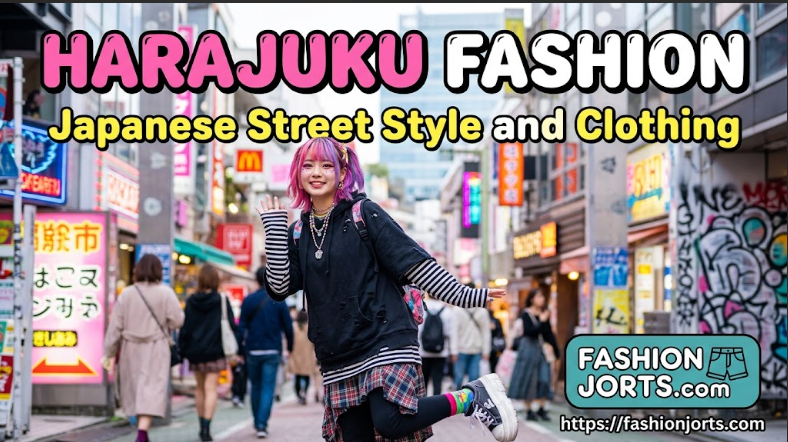
Harajuku fashion has never been about dressing like everyone else. In Tokyo, Japan, this distinctive style developed through young people who wanted to experiment with clothing, mix different influences, and express their personalities through what they wore. From oversized jackets and colourful accessories to elegant dresses and unconventional footwear, the style offers plenty of room for creativity. What makes Harajuku interesting is the variety of looks found within its fashion culture. Some people prefer soft pastel colours and playful details, while others choose dark clothing, vintage pieces, or bold streetwear. These different approaches have helped Harajuku become one of the most recognisable names in Japanese street fashion.
What Makes Harajuku Fashion Different?
The biggest difference is the freedom to create an individual appearance. Traditional fashion trends often encourage people to follow particular colours, silhouettes, or seasonal collections. Harajuku-inspired dressing takes a more personal approach, allowing people to combine clothing according to their interests and preferences. An outfit might include a vintage jacket, patterned trousers, unusual shoes, and handmade jewellery. Another person may prefer a simple dress with decorative socks and carefully chosen accessories. Neither approach needs to follow a strict formula. Creativity also comes from the way ordinary clothing is styled. A basic shirt can look completely different when paired with layered skirts, oversized outerwear, or statement footwear. This makes the style accessible to people who enjoy experimenting without constantly purchasing expensive designer pieces.
How Japanese Street Style Found Its Identity
Harajuku became an important gathering place for young people interested in music, art, clothing, and alternative culture. Independent shops and fashion boutiques gave emerging designers opportunities to introduce different ideas. The neighbourhood gradually developed an identity that attracted people looking for something outside conventional Japanese fashion. During the 1990s, street photography helped bring these styles to a wider audience. Photographer Shoichi Aoki documented distinctive outfits through his magazine FRUiTS, which became an important reference for people interested in Japanese youth culture. The popularity of Japanese music, animation, and fashion publications also introduced international audiences to different clothing aesthetics. As more people discovered these styles, Harajuku became associated with individuality and experimentation rather than one particular way of dressing.
Fashion Styles That Define the Harajuku Scene
Colourful Decora Outfits
Decora is recognised for its playful use of colour and accessories. Bright hair clips, plastic bracelets, patterned socks, colourful bags, and character-inspired jewellery often appear together. The idea is to create an energetic outfit with plenty of personal details. One interesting aspect of this style is that accessories can become the main attraction. Even basic clothing can look distinctive when combined with different decorative elements.
Elegant Lolita Clothing
Lolita clothing offers a more structured appearance. Its dresses often feature full skirts, decorative lace, fitted bodices, ribbons, and carefully selected headpieces. Victorian and Rococo fashion provide much of its visual inspiration. Sweet, Gothic, and Classic are among its recognised variations. Sweet styles use playful colours and prints, Gothic designs favour darker details, and Classic outfits often feature more traditional patterns and restrained decoration.
Dark Gothic Looks
Gothic clothing provides an alternative to the bright appearance associated with some Japanese street styles. Black dresses, lace tops, leather jackets, long coats, and platform footwear are common choices. Some outfits have a romantic appearance, while others use stronger punk influences. Makeup and hairstyle choices can also help create a consistent look.
Relaxed Streetwear
Not every Harajuku-inspired outfit needs elaborate decorations. Relaxed streetwear offers a more practical approach through oversized shirts, loose trousers, sneakers, graphic prints, and casual jackets. Vintage clothing and independent fashion labels are also important to this side of the culture. The focus is often on finding interesting combinations rather than wearing a large number of accessories.
Soft Fairy Kei Styling
Fairy Kei uses gentle colours and nostalgic designs to create a dreamy appearance. Pastel sweaters, printed skirts, colourful tights, and playful accessories are common elements. The style often takes inspiration from childhood imagery and vintage toys. Its relaxed clothing makes it different from more structured dress styles.
Choosing Clothes for an Individual Look
Building an outfit becomes easier when you begin with a clear idea of the appearance you want. Instead of purchasing several unrelated pieces, select a style that matches your personality and work from there. For a casual outfit, try pairing an oversized graphic shirt with a pleated skirt or relaxed trousers. Add comfortable sneakers and a small statement accessory to give the combination some character. If you prefer a more decorative appearance, introduce patterned socks, colourful jewellery, or a distinctive bag. Fabric choice can also change the overall result. Denim creates a relaxed feeling, lace adds a delicate touch, and leather introduces a stronger appearance. Combining different materials gives an outfit more visual interest without requiring complicated styling. Comfort deserves attention, too. Clothing should fit properly and allow you to move naturally, especially when wearing several layers. A well-planned outfit is more enjoyable to wear than one that looks interesting but feels uncomfortable throughout the day.
Accessories That Bring an Outfit Together
Accessories can make a simple combination feel personal. Hair ribbons, decorative clips, colourful necklaces, bracelets, and unusual handbags are useful additions when you want to experiment with different looks. Footwear is equally important. Chunky sneakers create a casual appearance, while platform shoes and Mary Janes work well with more decorative outfits. Boots can add a darker character, particularly when paired with Gothic or punk-inspired clothing. You don’t need to wear everything at once. Selecting a few pieces that complement one another usually creates a more balanced result. The best accessories are those that support the clothing rather than distract from it.
Exploring Harajuku’s Fashion Shopping Areas
Visitors interested in Japanese clothing can explore several shopping areas around Harajuku in Tokyo. Takeshita Street is famous for its busy atmosphere, fashion shops, accessories, and youthful shopping culture. It is a popular destination for visitors who want to see colourful clothing and unusual merchandise. Laforet Harajuku offers a different experience through its fashion retailers and designer collections. It is particularly interesting for people looking for alternative clothing and Japanese labels. Cat Street is worth exploring for its vintage shops, independent boutiques, and contemporary streetwear. The surrounding backstreets also provide opportunities to discover smaller retailers that offer something different from large shopping centres.
Why Harajuku Style Continues to Inspire People
The lasting appeal of this fashion culture comes from its creative approach to personal appearance. It encourages people to look beyond standard clothing combinations and discover what works for them. That idea remains relevant even as particular trends become less popular. Online communities have also made Japanese street style easier to discover. People can follow independent designers, explore outfit photography, and learn about different clothing traditions without travelling to Tokyo. At the same time, local fashion communities continue to give these styles their own identity. Another reason for its continued appeal is the freedom to adapt. Someone may prefer only a few elements of Lolita clothing, while another person may incorporate Decora accessories into everyday outfits. Personal interpretation keeps the culture interesting.
Common Mistakes When Trying Harajuku-Inspired Clothing
One common mistake is combining too many unrelated styles without considering how the pieces work together. Experimentation is encouraged, but having a clear visual direction makes an outfit easier to understand. Another mistake is assuming that bright colours and oversized accessories are necessary. Dark clothing, simple silhouettes, and understated combinations are also part of the wider Japanese street-fashion scene. Buying an entirely new wardrobe is unnecessary, too. Vintage stores, secondhand clothing, and customised garments can provide plenty of opportunities to develop an individual appearance. Starting with a few versatile pieces also makes it easier to discover which styles you genuinely enjoy.
Conclusion
Harajuku fashion shows that clothing can be much more than something people wear for practical reasons. It can reflect interests, creativity, music preferences, and personal identity. Its different styles offer inspiration to anyone who enjoys experimenting with appearance. You don’t have to follow a particular subculture perfectly to appreciate its influence. Start with clothing you enjoy, introduce a few interesting details, and experiment with combinations that feel comfortable. The most meaningful part of this style is the freedom to make your own choices. That is what gives Harajuku its lasting appeal.