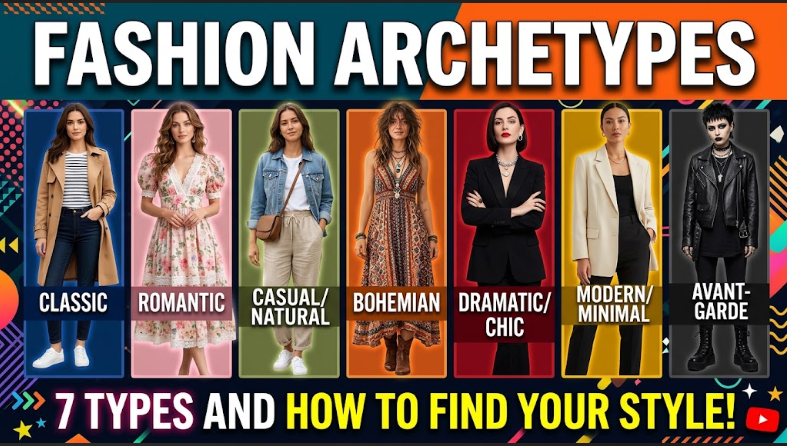
Fashion archetypes offer a simple way to understand your clothing preferences and create outfits that feel natural to you. Some people feel most confident in tailored jackets and polished shoes, while others prefer relaxed denim, flowing fabrics, or bold statement pieces. These differences reflect the many ways people use clothing to express themselves. Understanding your style can make everyday dressing easier. Instead of buying every trend that catches your attention, you can focus on the colors, shapes, and garments that suit your taste. Fashion archetypes provide a starting point for building a wardrobe that feels personal, practical, and consistent.
What Are Fashion Archetypes?
Fashion archetypes are broad style categories that describe common clothing preferences. Each category has recognizable characteristics, from the clean lines of classic fashion to the expressive combinations associated with creative dressing. They help people identify the elements they enjoy wearing without requiring them to follow a strict set of rules. These categories are not universal or scientifically fixed. Different stylists use different names and classification systems, so your results may vary depending on the guide you follow. The most useful approach is to treat archetypes as inspiration rather than permanent labels.
The 7 Main Fashion Archetypes
1. Classic Fashion Archetype
Classic fashion focuses on timeless shapes, balanced proportions, and polished clothing. People who prefer this style often choose garments that can be worn in different settings without looking outdated. Neutral colors and simple accessories help create a coordinated appearance. Typical pieces include tailored blazers, straight-leg trousers, crisp shirts, and leather loafers. A white shirt paired with navy trousers and a structured jacket creates a simple outfit that works for professional and social occasions. Fit and quality matter more than decorative details.
2. Romantic Fashion Archetype
Romantic fashion features soft silhouettes, delicate textures, and decorative details. It often includes floral patterns, lace, flowing skirts, and fabrics that move naturally with the body. The overall appearance can feel graceful without requiring elaborate styling. A romantic wardrobe might include a floral midi dress, a lightweight cardigan, and simple ballet flats. For everyday wear, a blouse with subtle gathered sleeves can introduce the same influence to a casual outfit. Softness is the main characteristic, but the color palette can range from pale shades to deep reds and rich jewel tones.
3. Dramatic Fashion Archetype
Dramatic fashion makes a strong visual statement through shape, contrast, and confident styling. Structured coats, sharp shoulders, wide-leg trousers, and bold accessories are common choices. The style often relies on a few striking pieces instead of numerous small details. For example, a long black coat, fitted top, tailored trousers, and pointed boots can create a powerful silhouette. High-contrast colors may add further impact, although an all-black outfit can work just as well. The key is choosing clothing with a clear shape and presence.
4. Natural Fashion Archetype
Natural fashion prioritizes comfort, relaxed proportions, and easy-to-wear materials. Cotton, linen, denim, and soft knitwear often form the foundation of this wardrobe. The style suits people who want their clothes to feel practical throughout the day. An oversized linen shirt with straight-leg jeans and comfortable sneakers is a straightforward example. Earthy colors, simple layers, and understated accessories can make these outfits feel coordinated. Natural fashion does not mean ignoring appearance; the right fit and thoughtful combinations keep relaxed clothing looking intentional.
5. Bohemian Fashion Archetype
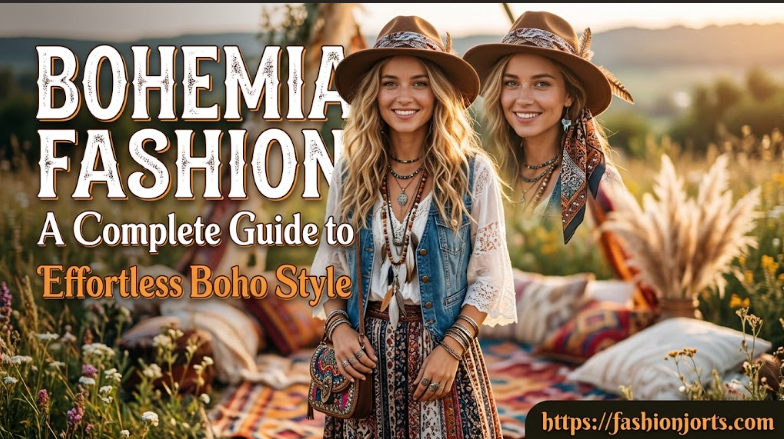
Bohemian fashion draws inspiration from artistic expression, vintage influences, and layered textures. It often features embroidered garments, flowing skirts, patterned fabrics, and distinctive accessories. Rather than relying on a highly coordinated appearance, it allows different materials and details to work together. A printed maxi skirt paired with a plain top, suede boots, and layered necklaces creates a recognizable bohemian outfit. You can also adapt the style for everyday wear by adding one patterned or textured piece to simple clothing. This keeps the look expressive without making every outfit feel overly elaborate.
6. Creative Fashion Archetype
Creative fashion encourages experimentation with colors, patterns, proportions, and unusual combinations. People drawn to this style may enjoy vintage clothing, distinctive accessories, or garments that stand out from conventional outfits. There is no single color palette or silhouette that defines it. Consider pairing a striped shirt with wide-leg trousers and a colorful bag. The combination feels individual because the pieces bring different visual elements together. The goal is to develop a personal way of dressing rather than simply wearing the most unusual items available.
7. Minimalist Fashion Archetype
Minimalist fashion emphasizes simplicity, useful clothing, and carefully chosen details. It often features a limited color palette, uncluttered designs, and versatile garments that work well together. The result can be understated without appearing plain. A cream sweater, black tailored trousers, and simple leather shoes provide a practical example. Small differences in fabric, fit, and proportion help give the outfit character. Minimalism also encourages thoughtful shopping because each item should have a clear purpose in the wardrobe.
How to Identify Your Fashion Archetype
The easiest way to identify your preferred style is to examine the clothing you already enjoy wearing. Look at your most-used garments and notice whether they are structured, relaxed, decorative, bold, or simple. These repeated choices often reveal more than a style quiz alone. Next, collect photographs of outfits that appeal to you. Compare them to find common features, such as similar colors, shoe styles, fabrics, or silhouettes. If you consistently save tailored outfits, classic or dramatic styles may appeal to you, while flowing garments and layered textures might point toward romantic or bohemian influences. Try creating outfits from your existing wardrobe before purchasing anything new. Pay attention to which combinations feel comfortable and suit your daily activities. Your preferred archetype should help you make clothing decisions, not make you feel restricted.
Fashion Archetypes vs. Fashion Aesthetics
Fashion archetypes and fashion aesthetics are related, but they describe different aspects of personal style. An archetype groups broad clothing preferences, while an aesthetic often refers to a recognizable visual look associated with particular garments, colors, or cultural influences. For example, someone with a classic style preference might enjoy a minimalist aesthetic built around neutral colors and clean silhouettes. Another person might combine an edgy wardrobe with grunge influences, distressed denim, and heavy boots. The same archetype can produce different looks depending on the aesthetic a person chooses. Understanding this difference gives you more freedom to experiment. You can borrow elements from different aesthetics while maintaining a consistent approach to clothing.
Can You Have More Than One Fashion Archetype?
Yes, and combining styles can make a wardrobe more useful and distinctive. You might prefer classic clothing for work, natural outfits for weekends, and dramatic pieces for special occasions. These preferences can coexist without creating an inconsistent personal style. Start with one dominant influence and introduce another through accessories, footwear, or outerwear. For example, classic trousers and a simple shirt can take on an edgy appearance with a leather jacket and chunky boots. Similarly, minimalist clothing can feel more creative with a colorful bag or an unusual pair of shoes. Your style can also change with your interests and circumstances. There is no need to settle on a single category for every stage of life.
How to Build a Wardrobe Around Your Fashion Archetype
Once you recognize your preferences, begin with versatile clothing that suits your everyday routine. Choose items that work with several garments you already own, rather than purchasing a complete collection based on a particular style category. This makes it easier to create different outfits without filling your closet with clothes you rarely wear. Pay attention to fit, comfort, and fabric when choosing new pieces. A garment may match your preferred archetype but still be unsuitable if you do not enjoy wearing it. Consider your budget, climate, work requirements, and usual activities before deciding which items deserve a place in your wardrobe. Accessories can help you introduce new influences without changing everything. A statement belt, distinctive shoes, or a patterned scarf can shift the appearance of familiar clothing. Small adjustments often provide enough variety to keep your wardrobe interesting.
Common Mistakes to Avoid When Defining Your Style
One common mistake is assuming that every item in your wardrobe must belong to the same category. This can make getting dressed unnecessarily restrictive and discourage experimentation. A useful style system should make clothing choices easier, not limit your options. Another mistake is buying clothes because they represent an archetype rather than because you genuinely like them. A wardrobe full of fashionable pieces will not be useful if they do not fit your lifestyle or work with your existing clothes. Before purchasing an item, consider how often you will wear it and which outfits you can create with it. It is also easy to confuse personal style with current trends. Trends can provide fresh ideas, but you do not need to adopt every popular look. Focus on the clothing you enjoy, then incorporate new influences when they make sense for you.
Conclusion
Fashion archetypes can help you recognize the clothing choices that make you feel comfortable and confident. Whether you prefer classic tailoring, romantic details, relaxed basics, or expressive combinations, each category offers ideas for developing your own approach to dressing. The most useful style is one that works with your daily life and reflects your individual taste. You do not need an entirely new wardrobe or a permanent label to achieve that. Start with the clothes you already love, identify what they have in common, and build from there. Over time, these small decisions can help you create a wardrobe that feels more personal and easier to wear.