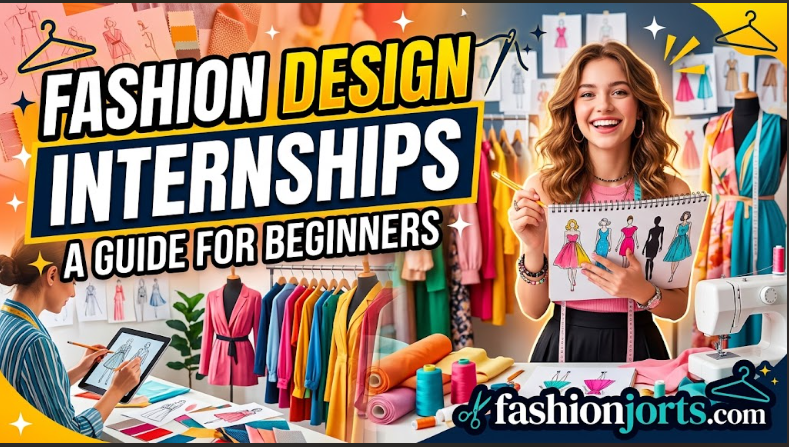
Breaking into the fashion industry can feel challenging when you have creative ideas but little professional experience. Fashion design internships offer a way to understand how designers work, how garments are developed, and what employers expect from someone entering the field. They also help students and recent graduates discover which areas of fashion suit their interests and abilities. The key is to find a position that offers relevant experience rather than choosing an opportunity based on the brand name alone.
What You Can Learn During a Fashion Design Internship
Working alongside an experienced design team can teach you things that are difficult to understand through classroom projects alone. You’ll see how creative ideas are reviewed, how materials influence a design, and how teams respond when a sample doesn’t match the original concept. Some interns help prepare sketches, collect fabric references, organize samples, or create presentations for upcoming collections. Others assist with fittings, garment measurements, product research, and communication between designers and production teams. These responsibilities may seem small at first, but they reveal how much coordination goes into producing clothing. You also learn how to manage deadlines, accept feedback, and adjust your work to meet a brief.
Choosing the Right Fashion Internship
Not every internship follows the same path, so think about the type of work you want to pursue after graduation. Someone interested in designing everyday clothing may benefit from an apparel design role, while a student who enjoys construction and precision might prefer technical design or patternmaking. Textile design can suit people who enjoy experimenting with prints, textures, and color combinations. Accessories internships offer experience with products such as handbags, footwear, and jewelry, while costume departments provide exposure to clothing designed for characters and performances. Read each job description carefully before applying. Look for responsibilities that match your interests, the skills you’ll develop, and whether the position offers access to experienced professionals who can guide your learning.
Creating a Portfolio That Shows Your Potential
A fashion portfolio is an opportunity to explain your ideas visually. It should demonstrate not only what you can draw, but also how you approach a design problem and turn an initial concept into something practical. Choose projects that show different stages of your work, such as inspiration research, initial sketches, fabric choices, and final designs. If you’ve sewn a garment or created a prototype, include photographs that show its construction and fit. A short explanation of the purpose behind each project can help an employer understand your decisions. You don’t need an extensive collection of professional work to begin applying. A few well-developed student projects can communicate more than dozens of unfinished sketches, especially when each project relates to the position you’re seeking.
Skills Worth Developing Before You Apply
Creative ability is important, but fashion design also requires attention to detail and an understanding of how garments are made. Learning basic sewing, fabric identification, pattern construction, and garment measurements can help you understand the practical side of design. Digital skills are useful too. Adobe Illustrator can help with fashion flats and technical drawings, while Photoshop supports visual presentations and image editing. Depending on the employer, familiarity with digital garment-design tools may also be valuable. Communication is another skill worth practicing. Designers regularly explain concepts, receive suggestions, and work with colleagues who have different responsibilities. Being organized, asking clear questions, and responding constructively to feedback can help you contribute effectively even when you’re new to the industry.
Preparing a Strong Internship Application
Start with a résumé that clearly presents your education, relevant coursework, projects, and technical skills. If you’ve participated in a student fashion show, helped with a small clothing label, or completed an independent collection, describe what you actually did and what you learned. Your cover letter should explain why the specific opportunity interests you. Instead of saying that you’ve always loved fashion, mention something concrete about the company’s products, design approach, or target audience. Then connect that observation to your own interests and abilities. Before submitting your application, check the required documents, file formats, eligibility criteria, and application deadline. Keep your portfolio link accessible, test it on another device, and make sure the files open correctly. A careful final review can prevent simple mistakes from distracting employers from your work.
Making the Most of Your First Internship
Your first few weeks may involve routine assignments rather than major creative decisions. Treat these tasks as a chance to learn the team’s workflow, understand its expectations, and show that you can handle responsibilities reliably. Ask for clarification when instructions are unclear, take notes during discussions, and review feedback before beginning a revision. When appropriate, ask your supervisor which skills you should focus on improving. These conversations can help you understand where your work is strong and where further practice would be useful. Keep a record of the projects you contribute to, while respecting any confidentiality rules set by the employer. This experience can help you describe your responsibilities more clearly in future applications and identify the skills you want to develop next.
Common Mistakes to Avoid
One frequent mistake is applying only to famous luxury brands. Independent labels, manufacturers, costume departments, and smaller design studios may offer relevant experience that fits your goals just as well. Another is treating a portfolio as a gallery of attractive images without explaining the work behind them. Employers need to see how you develop ideas, solve problems, and respond to practical requirements. Make your contribution clear, especially when a project involved collaboration. Finally, don’t assume that an internship automatically guarantees a permanent position. Use the experience to build skills, learn from professionals, and understand the industry more clearly. Those benefits remain useful even if your next opportunity comes from a different employer.
Conclusion
A fashion career develops through a combination of creative practice, technical knowledge, and an understanding of how the industry operates. An internship can bring these elements together, helping you see what professional design work involves and where your strengths might lead. Choose opportunities carefully, keep improving your portfolio, and approach each application as a chance to demonstrate what you can offer. Even small projects can become valuable learning experiences when you understand their purpose and take responsibility for your work. The most useful first step is to select a design direction, prepare two or three strong portfolio projects, and begin contacting employers whose work genuinely interests you.