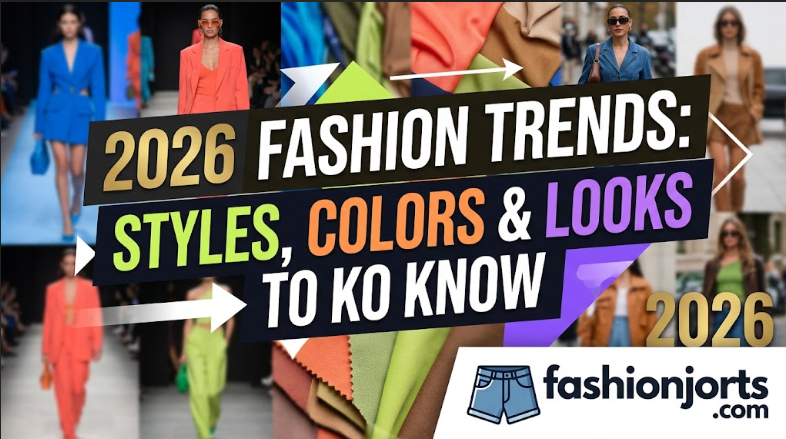
Fashion in 2026 feels less interested in telling everyone what they should wear. Instead, the year is giving people more room to experiment with color, shape, texture, and personal styling. Simple wardrobes still have a place, but the polished, almost anonymous look that dominated recent seasons is sharing space with clothes that have considerably more character. That change can be seen in everything from fuller trousers and romantic fabrics to sporty jackets and noticeable accessories. Some ideas are dramatic on the runway but surprisingly easy to adapt for everyday dressing. The smartest approach isn’t to chase every new look; it’s to understand what has changed and choose the pieces that make sense for your own wardrobe.
What Is Defining Fashion in 2026?
Individuality is becoming more important than following one recognizable aesthetic. A person might wear tailored trousers with a sports-inspired jacket one day and choose a soft dress with heavier shoes the next. Those combinations no longer feel contradictory. This freedom also makes current fashion more practical. Instead of replacing basic pieces, people can change the mood of an outfit through proportion, fabric, color, or accessories. A familiar white shirt looks different with wide trousers and a strong belt, just as a plain dress changes when paired with an expressive bag or unusual shoes.
Bold Colors Feel Fresh Again
Neutral shades remain useful, but brighter colors are getting more attention. Reds, greens, blues, pinks, purples, and warm yellows can bring energy to otherwise straightforward outfits. The difference this year is that color doesn’t always need to appear as a small accent. Some people will prefer wearing one strong shade with black, cream, denim, or brown. Others can experiment with two contrasting colors in the same outfit. Both approaches work because the focus is less on following a strict palette and more on creating combinations that feel intentional.
Statement Skirts Take Center Stage
Skirts are becoming more expressive through shape, movement, fabric, and detail. Fuller silhouettes can create volume, while fringe, pleats, texture, and asymmetric construction give simpler outfits a stronger focal point. A statement skirt works particularly well because the rest of the look can remain uncomplicated. Pairing an interesting skirt with a plain knit, fitted T-shirt, or crisp shirt keeps the outfit balanced. This is also an easy way to experiment without committing to an entirely different wardrobe. One distinctive piece can do most of the visual work.
Balloon Pants and Fuller Shapes Change Proportions
Trousers are moving beyond the familiar choice between skinny and standard wide-leg cuts. Balloon shapes, relaxed tailoring, and fuller legs create a more sculptural silhouette while still offering comfort. These proportions can make even basic tops feel more considered. Balance matters with this look. A fitted shirt or shorter jacket can work well against a fuller lower half, although oversized pieces can also be combined deliberately. The aim isn’t to make every garment large, but to use proportion as part of the outfit rather than treating fit as an afterthought.
Peplum Tops Return With a Cleaner Look
Peplums are another familiar idea receiving a modern update. Rather than the stiff, heavily structured versions associated with earlier fashion cycles, newer interpretations can feel softer and less formal. They add definition around the waist without requiring complicated styling. A peplum top works naturally with straight trousers, relaxed jeans, or a narrow skirt. Keeping the rest of the outfit restrained prevents the shape from feeling dated. It is a good example of how fashion often returns to older ideas but changes their proportions and styling.
Romantic Fabrics Meet Stronger Pieces
Lace, satin, sheer materials, ruffles, and flowing fabrics bring softness to 2026 wardrobes. Yet romantic dressing doesn’t have to mean wearing a delicate outfit from head to toe. The more contemporary approach is often built around contrast. A lace blouse can sit above denim or tailored trousers, while a fluid dress can be paired with substantial boots or a structured jacket. Satin can also work during the daytime when combined with simple knitwear. These contrasts make traditionally dressy fabrics much easier to wear regularly.
Sporty Style Moves Beyond the Gym
Sports-inspired clothing has become part of everyday dressing rather than a separate category. Track jackets, technical outerwear, relaxed shorts, jerseys, and comfortable trousers can now appear alongside pieces that once would have been considered too formal for them. The key is avoiding the appearance of a complete workout outfit unless that is actually the intention. A track jacket over tailored trousers creates a different effect from matching it with athletic bottoms. Similarly, sneakers can soften a polished outfit without making it look careless.
Modern Tailoring Becomes More Relaxed
Tailoring remains relevant, but it feels less tied to traditional office dressing. Jackets can be longer, softer, cropped, or more exaggerated, while tailored trousers increasingly appear with casual tops and footwear. Matching suits are still useful, though they are no longer the only way to wear structured clothing. Separating tailored pieces often makes them more versatile. A blazer can work with denim, and formal trousers can be worn with a simple T-shirt or knit. This approach gives classic clothing a longer life because it doesn’t depend on a single dress code.
Texture Gives Simple Clothes More Character
Texture is becoming an effective alternative to loud prints. Fringe, velvet-like finishes, crochet, lace, fuzzy surfaces, embroidery, and tactile knits can make a single-color garment visually interesting. Movement also matters, especially when fringe or softer fabrics respond naturally as the wearer walks. This works particularly well for people who prefer restrained colors. A black textured skirt can make a stronger impression than a brightly patterned one without abandoning a minimalist wardrobe. Texture allows subtle outfits to have depth without becoming busy.
Accessories Become the Main Attraction
Accessories are no longer limited to finishing an outfit quietly. Brooches, scarves, belts, jewelry, distinctive handbags, and noticeable shoes can become the element around which the entire look is built. That makes this one of the easiest shifts to adopt. Older accessories can work just as well as new purchases. A vintage brooch on a plain blazer or a patterned scarf tied around a simple bag can immediately change familiar clothing. Personal objects often look more convincing than accessories bought solely because they are fashionable.
Spring and Summer 2026 Favor Movement and Ease
Warmer-weather dressing naturally lends itself to lighter materials, but this year the emphasis is also on shape and personality. Flowing dresses, relaxed trousers, shorts, expressive skirts, lighter tailoring, and stronger colors can all fit comfortably into spring and summer wardrobes. The season doesn’t require complicated layering to look current. A strong silhouette or interesting fabric can carry an outfit by itself. This simplicity is particularly useful in hot weather, when excessive styling quickly becomes impractical.
Fall and Winter 2026 Bring Richer Dressing
Cold-weather fashion takes many of the year’s ideas and gives them more weight. Rich fabrics, structured outerwear, deeper colors, tailored separates, boots, and decorative details create outfits that feel more substantial. Layering also provides more opportunities to mix polished and casual pieces. A romantic blouse under a structured coat, for example, creates a different mood from wearing either piece alone. Likewise, relaxed trousers can balance a more formal jacket. The colder seasons are likely to reward wardrobes built around pieces that can be combined in several ways rather than single-purpose outfits.
What Colors Work Best in 2026?
There isn’t one color that defines the entire year. Strong red, green, blue, pink, purple, yellow, brown, cream, and white all have a place, depending on how they are combined. That variety is useful because it allows people to work with colors they already enjoy. Anyone hesitant about bright shades can begin with one colorful garment against a neutral base. More confident dressers can combine contrasting shades or wear a strong color across most of an outfit. The best result usually comes from choosing colors that suit the wearer rather than copying a fashionable combination exactly.
What Is Happening With Jeans?
Denim is becoming less dependent on one dominant fit. Relaxed, straight, wide, and fuller shapes can coexist, which gives shoppers more freedom to choose according to comfort and body shape. This is more useful than treating every change in denim as the death or return of a particular cut. Styling can also make older jeans feel current. Changing the footwear, jacket, belt, or proportions of the top may have a bigger effect than replacing denim that already fits well. A good pair of jeans doesn’t suddenly become unusable because another silhouette receives more attention.
How to Wear Current Trends Without Replacing Your Wardrobe
The most practical way to update a wardrobe is to start with what is already there. Look for strong basics such as jeans, trousers, jackets, shirts, dresses, and knitwear before deciding what is genuinely missing. Then introduce one new idea that works with several existing pieces. That might mean adding fuller trousers, a textured skirt, a colorful top, or a distinctive accessory. Buying fewer pieces also encourages better combinations because each addition needs to work harder. Fashion becomes much more useful when trends provide styling ideas rather than shopping instructions.
Which Trends Are Worth Buying?
Pieces with flexibility generally make stronger purchases than highly specific novelty items. Relaxed tailoring, well-cut trousers, expressive accessories, useful jackets, and fabrics that work across several outfits can survive beyond one season. A trend becomes more valuable when it fits naturally into the way someone already dresses. Comfort deserves equal attention. An impressive garment that constantly needs adjusting is unlikely to become a wardrobe favorite. Before buying something because it looks current, consider whether you can imagine wearing it with at least a few pieces you already own.
Conclusion
Fashion in 2026 is at its best when it gives people options. Color can be loud or restrained, tailoring can be polished or casual, and romantic clothing can sit comfortably beside athletic pieces. There is little reason to commit to a single aesthetic. That freedom also makes trends easier to approach sensibly. You can experiment with a new trouser shape, introduce texture, bring an old scarf back into rotation, or simply combine familiar clothes differently. None of those choices requires abandoning your existing style. The clothes most likely to remain useful are the ones that feel natural once the excitement of a trend fades. Use 2026 as an opportunity to experiment, but let your wardrobe become more personal rather than simply newer.