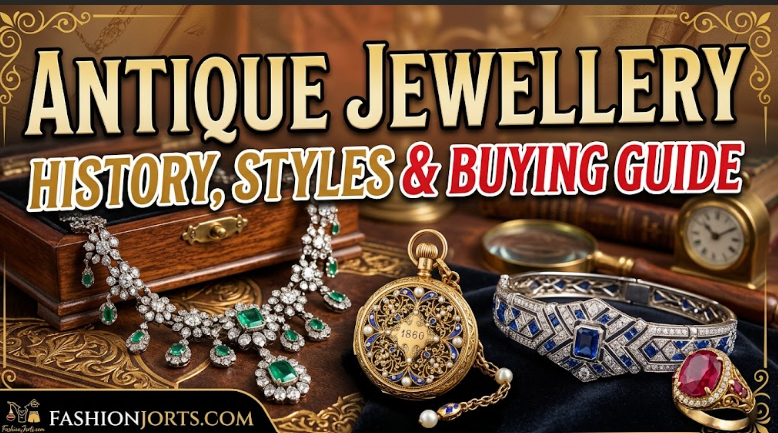
Antique jewellery has a charm that goes beyond its appearance. Each piece reflects the craftsmanship, fashion, and traditions of the period in which it was created. From detailed gold necklaces to carefully designed gemstone rings, these pieces carry a sense of history that makes them different from modern jewellery. Many people choose antique jewellery because they want something unique, meaningful, and different from mass-produced designs. Whether it is a family heirloom passed down through generations or a carefully selected collector’s piece, antique jewellery offers beauty with a story behind it.
What Is Antique Jewellery?
Antique jewellery generally refers to jewellery that is at least 100 years old. These pieces were created during earlier historical periods and often show the design preferences and craftsmanship of their time. Unlike many modern jewellery items made with standard manufacturing methods, antique pieces were often created by skilled artisans using traditional techniques. Small details such as hand engraving, unique gemstone settings, and detailed metalwork can reveal the effort behind each design. The value of antique jewellery is not based on age alone. The quality of materials, rarity, condition, designer, and historical importance all influence its appeal and price.
Why People Love Antique Jewellery
The popularity of antique jewellery comes from its individuality. Many modern designs are produced in large quantities, while antique pieces often have characteristics that make them one of a kind. Collectors appreciate these pieces because they represent a specific moment in history. A Victorian necklace, an Edwardian ring, or an Art Deco bracelet can show the fashion, culture, and artistic preferences of its era. For many buyers, the emotional connection is just as important as the material value. An antique engagement ring or inherited necklace may represent family memories and personal stories that cannot be replaced.
Different Eras of Antique Jewellery
Jewellery styles changed as societies, technology, and fashion developed. Understanding these periods helps buyers recognise the features that make each style unique.
Georgian Jewellery (1714–1837)
Georgian jewellery belongs to one of the earliest collectible jewellery periods. These pieces were usually handmade and often featured natural designs inspired by flowers, leaves, and other elements from nature. Jewellers commonly worked with gold, silver, diamonds, and coloured gemstones. Many Georgian pieces have a distinctive handmade appearance because they were created before modern jewellery production methods became common. Due to their age and limited availability, authentic Georgian pieces are highly valued by collectors.
Victorian Jewellery (1837–1901)
Victorian jewellery is one of the most recognised antique jewellery styles. During Queen Victoria’s reign, jewellery designs changed with different stages of her life and the social trends of the period. Early Victorian jewellery often included romantic designs with flowers, hearts, and colourful gemstones. Later designs became more emotional and included mourning jewellery created to remember loved ones. Gold work, pearls, diamonds, lockets, and symbolic designs were common features of Victorian jewellery.
Edwardian Jewellery (1901–1915)
Edwardian jewellery is known for its refined and elegant appearance. During this period, platinum became popular because it allowed jewellers to create detailed designs while keeping the jewellery lightweight. Diamond and pearl combinations were especially common. Many Edwardian pieces feature delicate patterns, symmetrical designs, and a formal style suitable for special occasions.
Art Deco Jewellery (1920s–1930s)
Art Deco jewellery introduced a bold change in design. Instead of soft romantic patterns, this style focused on geometric shapes, strong lines, and striking contrasts. Common features include diamonds, emeralds, sapphires, platinum settings, and colourful accents. Art Deco pieces remain popular because their designs feel both historic and modern.
What Makes Antique Jewellery Valuable?
Several factors determine the value of an antique jewellery piece. Age can increase interest, but it does not automatically make a piece valuable. A rare design from a respected maker may be worth more than an older but common item. Craftsmanship is another important factor. Handmade details, unusual settings, and traditional techniques can make a piece more desirable. The condition of the jewellery also matters. Original gemstones, untouched settings, and minimal repairs usually make a piece more attractive to collectors. The history behind a piece can also affect its value. Jewellery with clear ownership records or a connection to an important person or event may receive additional interest.
How to Identify Real Antique Jewellery
Buying antique jewellery requires careful attention because many modern pieces are designed to look old. One of the first things to check is the hallmark. Marks on jewellery can provide information about metal quality, manufacturer, and sometimes the country of origin. The construction method can also reveal clues. Older jewellery often has handmade details that differ from modern machine-produced designs. Gemstones can provide additional information. Diamond cuts and gemstone settings changed throughout history, helping experts estimate the age of a piece. For valuable purchases, professional evaluation from an experienced jeweller or gem specialist is a practical step before buying.
Antique Jewellery vs Vintage Jewellery
Antique and vintage jewellery are often confused, but they describe different categories. Antique jewellery usually refers to pieces that are around 100 years old or older. Vintage jewellery generally refers to older pieces from more recent decades, often connected with a particular fashion period. For example, a Victorian necklace from the 1800s is considered antique, while a 1970s gold bracelet is usually described as vintage. Both categories can be valuable and attractive, but they appeal to buyers for different reasons.
How to Buy Antique Jewellery Carefully
Before purchasing an antique piece, research the seller and ask questions about the jewellery’s history, materials, and condition. A reliable seller should provide clear information about the item rather than making vague claims about age or value. Buyers should also consider how they plan to use the jewellery. Some antique pieces are suitable for regular wear, while delicate designs may be better saved for special occasions. Choosing a piece that matches personal style is often more important than simply selecting the oldest item available.
Caring for Antique Jewellery
Antique jewellery needs gentle care because older materials and settings can be more delicate. Store each piece separately to avoid scratches, and avoid exposing jewellery to harsh chemicals. Cleaning methods should depend on the type of metal and gemstones involved. Regular checks by a professional can help identify loose stones or weak areas before serious damage occurs.
Conclusion
Antique jewellery continues to attract people because it combines beauty, craftsmanship, and history in a single piece. Every design reflects the creativity and traditions of the era that produced it. Choosing antique jewellery is not only about purchasing an accessory. It is about finding a piece with character, meaning, and a connection to the past. With careful research and proper care, an antique jewellery piece can remain a treasured possession for many years and may even become part of a future generation’s story.