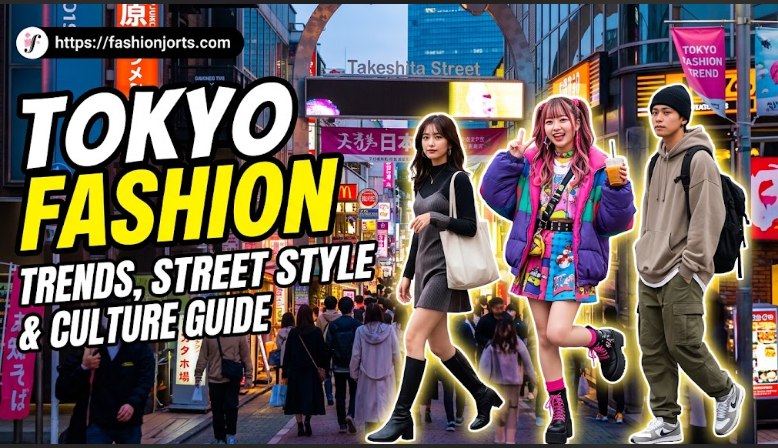
Tokyo fashion is a reflection of creativity, individuality, and cultural change. The Japanese capital has built a reputation for creating styles that do not follow ordinary fashion rules. From colorful street outfits in Harajuku to carefully designed minimalist clothing, Tokyo offers a wide range of styles that represent different personalities and communities. Unlike cities where fashion is mainly shaped by major brands, Tokyo’s style culture has always grown from the people themselves. Young creatives, independent designers, musicians, and artists have all contributed to making the city one of the most interesting fashion destinations in the world.
What Makes Tokyo Fashion Unique?
Tokyo fashion stands out because it allows people to express themselves without being limited to one trend. A single outfit may combine vintage clothing, luxury pieces, streetwear, and traditional Japanese influences. The city’s fashion culture values creativity more than perfection. Many people focus on creating a personal style instead of simply wearing what is popular. This mindset has helped Tokyo become a source of inspiration for fashion lovers around the world. Another important part of Tokyo fashion is attention to detail. Small choices, such as accessories, fabric combinations, and layering techniques, often transform a simple outfit into something completely unique.
The History of Tokyo Fashion
Tokyo’s fashion identity developed through a combination of Japanese traditions and international influences. After the introduction of Western clothing styles, Japanese designers began adapting these ideas with their own approach to craftsmanship and design. During the 1980s and 1990s, Japanese designers gained worldwide attention by challenging traditional ideas about clothing. Instead of focusing only on fitted shapes and conventional beauty standards, many designers experimented with unusual forms, oversized silhouettes, and artistic concepts. At the same time, young people in Tokyo created their own street fashion movements. Neighborhoods like Harajuku became places where individuals could experiment with clothing and build new styles outside mainstream fashion.
Harajuku and the Rise of Japanese Street Style
Harajuku is one of the most famous fashion districts in Tokyo. The area became internationally recognized because of its creative street culture and the variety of styles found among its young visitors. People visiting Harajuku often mix different influences to create outfits that reflect their interests and personalities. Vintage clothing, handmade accessories, colorful designs, and unique combinations are common parts of the area’s fashion identity. Harajuku proved that fashion does not have to come only from designers and runways. Everyday people could create trends through their own imagination and confidence.
Popular Styles Within Tokyo Fashion
Tokyo fashion includes many different movements, each with its own personality and history.
Kawaii Fashion
Kawaii fashion focuses on cute and playful designs. It often includes soft colors, charming accessories, character-inspired clothing, and youthful details. This style became popular beyond Japan because of its connection with anime, Japanese pop culture, and online communities.
Lolita Fashion
Lolita fashion is recognized for its elegant dresses, lace details, bows, and carefully coordinated accessories. Inspired by European historical clothing, it has developed into a unique Japanese style with its own communities. Many people who follow Lolita fashion treat their outfits as a form of artistic expression rather than everyday clothing.
Japanese Streetwear
Tokyo streetwear combines comfort, creativity, and strong visual identity. Oversized jackets, sneakers, graphic designs, and limited-edition pieces are common elements. Japanese streetwear has influenced international fashion by showing how casual clothing can still have strong design value.
Minimalist Japanese Style
Not all Tokyo fashion is bold and colorful. Many people prefer simple designs with clean shapes, neutral colors, and high-quality materials. This style reflects Japan’s appreciation for simplicity and careful craftsmanship.
Japanese Designers Who Influenced Fashion Worldwide
Tokyo’s influence is not limited to street fashion. Japanese designers have played an important part in changing global ideas about clothing. Rei Kawakubo, founder of Comme des Garçons, became known for designs that challenged traditional fashion expectations. Her work showed that clothing could be artistic and conceptual. Yohji Yamamoto developed a recognizable style using oversized shapes, dark colors, and flowing designs. His approach influenced many designers who explored alternative ideas of elegance. Issey Miyake became famous for combining technology, creativity, and innovative fabric techniques. His designs demonstrated how fashion could connect art, movement, and function.
Modern Tokyo Fashion Trends
Tokyo fashion continues to change as new generations bring fresh ideas into the scene. Today, many people combine different styles instead of following a single fashion category. Vintage clothing remains popular because it allows people to find unique pieces with character. Secondhand stores across Tokyo attract shoppers looking for rare items and older designs. Layering is another important part of modern Japanese fashion. Combining different lengths, textures, and materials allows people to create outfits that feel personal. Streetwear also continues to grow, with younger generations mixing casual clothing with luxury items and designer pieces.
Best Places to Explore Tokyo Fashion
Visitors interested in Tokyo fashion can experience different styles across the city. Harajuku is known for youth culture, independent stores, and creative street looks. Omotesando offers a more refined fashion experience with luxury brands and architectural shopping spaces. Shibuya represents modern youth trends, streetwear, and urban style. Shimokitazawa is popular for vintage stores and secondhand fashion, attracting people searching for unique clothing pieces. Each neighborhood shows a different side of Tokyo’s fashion identity.
Why Tokyo Fashion Continues to Inspire the World
Tokyo fashion remains influential because it encourages originality. Instead of creating strict rules about what people should wear, it gives individuals the freedom to experiment. The city’s fashion culture proves that style is not only about expensive clothing or famous brands. It is about creativity, confidence, and the ability to communicate personality through appearance. As fashion continues to change, Tokyo remains a place where new ideas can develop from ordinary streets, independent designers, and everyday people.
Conclusion
Tokyo fashion represents the connection between tradition, creativity, and modern culture. The city has created a fashion environment where people can explore different identities through clothing. From experimental street styles to internationally recognized designers, Tokyo continues to influence how the world understands fashion. Its greatest strength is the freedom it gives people to create something that feels truly personal.