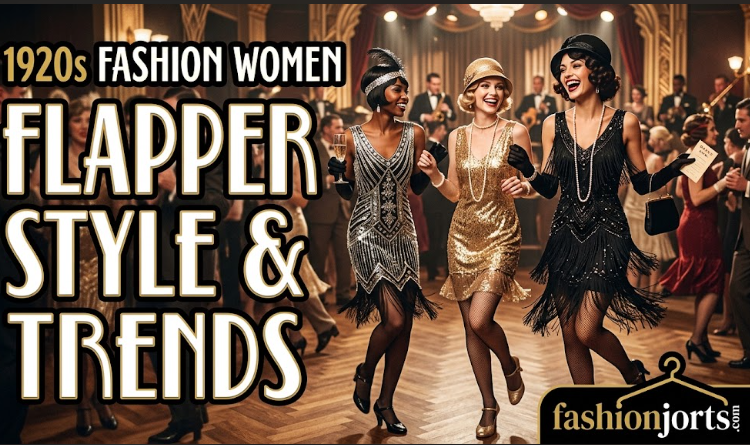
The 1920s fashion women embraced marked one of the biggest turning points in modern clothing history. After years of traditional styles built around corsets, long skirts, and formal dressing, women began choosing clothes that reflected a more active and independent lifestyle. The decade introduced relaxed silhouettes, shorter hairstyles, bold accessories, and the famous flapper look that still influences fashion today. The Roaring Twenties was a period of social change, entertainment, and self-expression. Women were entering workplaces, participating in public life, enjoying jazz culture, and exploring new ideas about personal style. Fashion became a way to show confidence, freedom, and a break from older traditions.
How Women’s Fashion Changed in the 1920s
The biggest change in 1920s fashion was the move away from restrictive clothing. Earlier decades focused on creating a defined waist with corsets and structured garments, but women in the 1920s preferred comfort and movement. Dresses became looser, waistlines dropped lower, and fabrics became lighter. The straight silhouette created a youthful appearance and allowed women to dance, travel, and participate in activities more easily. This change was not only about appearance. It reflected the changing role of women in society. Clothing became more practical as women gained more independence and spent more time outside traditional home settings.
The Rise of the Flapper Woman
The flapper became the most recognizable image of 1920s women’s fashion. A flapper was often associated with confidence, modern attitudes, jazz music, and a willingness to challenge traditional expectations. The typical flapper style included a loose-fitting dress, short haircut, bold makeup, and decorative accessories. While popular culture often presents flappers as rebellious partygoers, the reality was more varied. Many women adopted parts of the style without following every social image connected to it. The flapper represented a new idea of femininity. Instead of focusing only on elegance and modesty, fashion celebrated movement, personality, and individuality.
Flapper Dresses and Popular Clothing Styles
The 1920s flapper dress became the signature outfit of the decade. These dresses usually featured a straight shape with a dropped waist, meaning the dress did not emphasize the natural waistline. Evening dresses were designed to attract attention through decoration rather than shape. Designers used beads, sequins, embroidery, and fringe to create movement and shine. Common features of 1920s dresses included:
- Loose and comfortable cuts
- Decorative beadwork
- Soft fabrics like silk and chiffon
- Layered fringe details
- Geometric patterns
However, not every woman wore glamorous flapper dresses daily. Many women wore simple day dresses, skirts, blouses, and sweaters that offered comfort for everyday activities.
The Influence of Art Deco Fashion
The Art Deco movement had a major influence on women’s fashion during the 1920s. This style emphasized geometric designs, symmetry, luxury materials, and a fascination with modern life. Fashion designers incorporated Art Deco ideas into dresses, jewelry, handbags, and accessories. Patterns became more structured, while decorative details added a sense of luxury. The connection between Art Deco and fashion helped create the glamorous appearance associated with the Jazz Age. Women’s clothing became visually exciting while maintaining a clean and modern look.
1920s Hairstyles That Changed Women’s Style
Short hair became one of the defining features of 1920s women’s fashion. The bob haircut challenged traditional beauty standards because long hair had long been considered an important part of feminine appearance. Many women chose shorter styles because they matched the modern clothing of the decade. The most popular hairstyles included:
The Bob Haircut
The bob was a short hairstyle usually cut around the jawline. It became a symbol of confidence and modern fashion.
Finger Waves
Finger waves created smooth, curved patterns close to the head. This hairstyle became especially popular for evening events and glamorous occasions.
Short Curled Hairstyles
Soft curls and waves were also common, adding elegance while keeping the hair short and manageable. These hairstyles worked perfectly with the popular cloche hats of the era.
1920s Hats and Accessories
Accessories were an essential part of a woman’s outfit during the 1920s. The cloche hat was one of the decade’s most famous fashion items. The close-fitting hat covered much of the head and was designed to complement short hairstyles. Women often decorated these hats with ribbons, embroidery, or small decorative elements. Jewelry also played an important role. Long pearl necklaces, bead chains, bracelets, and Art Deco-inspired pieces added glamour to simple dresses. Accessories allowed women to personalize their outfits and create a polished appearance.
Makeup Trends of 1920s Women
Beauty trends changed dramatically during the decade. Makeup became more widely accepted, and women began experimenting with stronger looks inspired by actresses and performers. The popular 1920s makeup style included dark eye makeup, thin eyebrows, defined lips, and a pale complexion. Lip colors such as deep red became fashionable and helped create the dramatic appearance associated with the era. Beauty routines became an important part of personal style, with cosmetics becoming easier for women to purchase and use.
Designers Who Shaped 1920s Women’s Fashion
Several designers influenced the direction of women’s clothing during the decade. Coco Chanel was one of the most important figures because she promoted simple, comfortable designs that matched the changing lifestyle of modern women. Her approach focused on elegance without unnecessary decoration. She helped popularize casual luxury and practical clothing that could be worn beyond formal occasions. Other designers also contributed to the decade’s fashion through detailed eveningwear, innovative fabrics, and elegant designs.
Everyday Fashion Beyond the Flapper Image
The idea that every woman in the 1920s dressed like a flapper is misleading. Fashion choices depended on location, age, lifestyle, and personal preference. Many women wore practical outfits such as:
- Day dresses
- Skirts with blouses
- Sweaters
- Cardigans
- Sports-inspired clothing
Women’s sportswear also became more popular as activities like tennis, swimming, and outdoor recreation gained attention. The decade was not only about glamour; it was also about creating clothing that matched a more active lifestyle.
Why 1920s Fashion Women Still Inspire Today
The influence of 1920s fashion remains visible in modern clothing. Designers continue to use elements from the era, including fringe dresses, pearl accessories, vintage hairstyles, and Art Deco patterns. The decade remains popular because it represents a moment when fashion became more personal and expressive. Women’s clothing started reflecting lifestyle changes rather than simply following old traditions. From Gatsby-inspired events to modern vintage collections, the style of the Roaring Twenties continues to attract fashion lovers around the world.
Conclusion
The 1920s fashion women created was more than a passing trend. It represented a period when clothing became connected with freedom, confidence, and changing lifestyles. The decade introduced styles that challenged old ideas about how women should dress. From flapper dresses and bob hairstyles to practical everyday clothing, 1920s fashion created a foundation for many modern trends. Even after a century, the style of the Roaring Twenties continues to inspire because it combines elegance with individuality. It remains a reminder that fashion can reflect the changing identity of society.