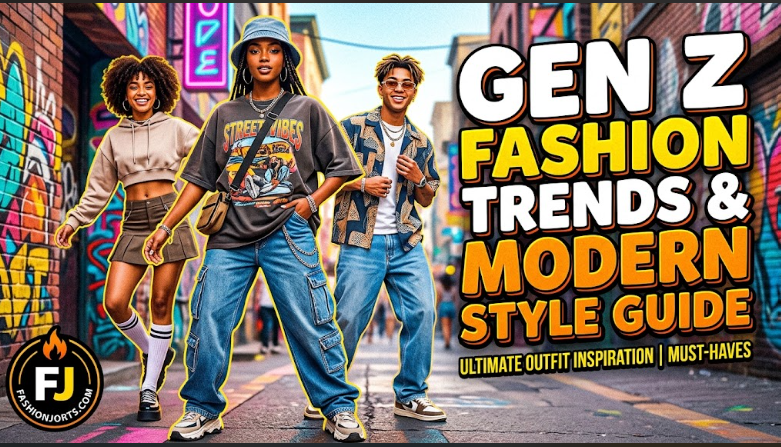
Fashion has always reflected the personality of a generation, but Gen Z has changed the way people think about clothing. Instead of following one fixed style, this generation combines different influences, from vintage clothing and streetwear to nostalgic trends and online aesthetics. Gen Z fashion is shaped by creativity, individuality, and digital culture. Young consumers are not simply buying clothes because they are popular; they are using fashion to express their identity, interests, and lifestyle. A single outfit can include pieces from different decades, cultures, and style movements, creating a look that feels personal rather than predictable.
What Is Gen Z Fashion and Why Is It Different?
Gen Z fashion refers to the clothing choices, trends, and style movements associated with people born roughly between the late 1990s and early 2010s. Unlike previous generations, Gen Z grew up in a highly connected digital environment where fashion inspiration comes from social media, influencers, online communities, and global trends. The biggest difference is that Gen Z does not believe in one “correct” way to dress. Someone might enjoy minimalist outfits one day and experiment with bold vintage pieces the next. Fashion has become less about fitting into a specific category and more about creating a personal identity. This generation also values authenticity. Many Gen Z shoppers prefer clothing that feels unique, meaningful, or connected to their personality instead of simply wearing what everyone else has.
How Social Media Changed Gen Z Fashion
Social media has completely changed how fashion trends are created and shared. Platforms such as TikTok, Instagram, and Pinterest allow new styles to spread faster than traditional fashion systems. A trend no longer needs approval from magazines or major designers before becoming popular. A creator showing a creative outfit idea can influence thousands of people within a short time. This has created a faster and more diverse fashion environment. Instead of one major trend dominating for years, multiple styles exist at the same time. Different online communities develop their own aesthetics, giving people more choices when building their wardrobes. Social media has also made fashion more interactive. People do not only watch fashion shows or celebrity outfits; they share their own styling ideas and become part of the conversation.
The Return of Y2K Fashion
One of the strongest influences on Gen Z fashion has been the revival of Y2K style. Inspired by the late 1990s and early 2000s, this trend brings back clothing styles that were popular before smartphones and modern social media became dominant. Y2K fashion includes pieces such as low-rise jeans, baby tees, mini skirts, colorful accessories, cargo pants, and platform shoes. The style is often playful, experimental, and influenced by early internet culture, pop stars, and movies from that period. What makes this trend interesting is that many Gen Z consumers did not experience the original Y2K era themselves. They discovered it through old photos, entertainment, and online platforms, then adapted it for modern fashion. The revival shows how younger generations often reinterpret the past instead of simply copying it.
Why Vintage and Thrift Fashion Became Popular
Thrift shopping has become an important part of Gen Z style. For many young consumers, secondhand clothing is not just a way to save money; it is a way to find pieces that feel different from mass-produced fashion. Vintage clothing allows people to create outfits that are more personal. A jacket from another decade or an old designer piece can add character to an otherwise simple look. Thrift culture also connects with Gen Z’s interest in reducing waste and making more thoughtful purchases. Although not every shopper chooses secondhand clothing for environmental reasons, many appreciate the combination of affordability, uniqueness, and creativity. The popularity of resale platforms has made vintage fashion easier to discover, especially among younger audiences who enjoy searching for rare finds.
The Most Popular Gen Z Fashion Aesthetics
Gen Z fashion is strongly connected with online aesthetics. These styles are not only about clothing; they often represent a mood, lifestyle, or personality.
Cottagecore Style
Cottagecore focuses on a romantic connection with nature and simple living. Floral dresses, soft fabrics, handmade details, and vintage-inspired pieces are common elements of this aesthetic.
Dark Academia Fashion
Dark Academia takes inspiration from old universities, literature, and classic design. Blazers, knit sweaters, trousers, and neutral colors are often associated with this style.
Coquette Fashion
Coquette style emphasizes feminine details such as bows, lace, delicate jewelry, and soft colors. It has become popular among people who enjoy romantic and vintage-inspired looks.
Gorpcore Style
Gorpcore combines outdoor clothing with everyday fashion. Functional jackets, hiking-inspired footwear, and technical materials are styled as part of modern streetwear. These aesthetics show how Gen Z uses clothing to create visual identities and communities.
How Streetwear and Comfort Influenced Gen Z Style
Comfort has become one of the strongest influences on modern fashion. Oversized shirts, loose jeans, hoodies, sneakers, and relaxed silhouettes are common choices among Gen Z consumers. Streetwear has played a major part in this shift. Clothing that was once considered casual has become accepted in many fashion settings. The popularity of comfortable clothing does not mean Gen Z ignores style. Instead, the focus has shifted toward creating outfits that look good while remaining practical for everyday life.
Sustainability and Changing Shopping Habits
Many Gen Z consumers are interested in more responsible fashion choices. This has increased attention toward secondhand shopping, clothing repairs, and brands that communicate clearer production practices. However, Gen Z’s relationship with fashion is not simple. The same people who enjoy vintage shopping may also participate in fast-moving trends online. This shows that fashion decisions are influenced by many factors, including budget, convenience, personal values, and individual taste.
Gender-Neutral Fashion and Personal Expression
Gen Z has also challenged traditional ideas about clothing categories. Many young people are less interested in separating fashion into strict men’s and women’s sections. Instead, they focus on how clothing fits their personality. Oversized shirts, accessories, tailored pieces, and different styles are mixed together based on personal preference. For many Gen Z consumers, fashion is about freedom. The main question is not who a piece was designed for, but whether it feels right for the person wearing it.
The Future of Gen Z Fashion
Gen Z fashion will likely continue to be shaped by individuality, technology, and cultural influences. Future trends may continue borrowing from past decades while adding new ideas created through online communities. The biggest change Gen Z has brought to fashion is the acceptance of personal style. People no longer need to follow one trend to feel fashionable. Fashion has become a tool for storytelling, creativity, and self-expression.
Conclusion
Gen Z fashion represents a new approach to personal style. Instead of following strict fashion rules, this generation combines influences from different periods and creates looks that feel personal. From vintage shopping and Y2K revivals to online aesthetics and comfortable streetwear, Gen Z has expanded the meaning of fashion. The future of style will likely continue moving toward creativity and individuality, where personal expression matters just as much as the clothes themselves.