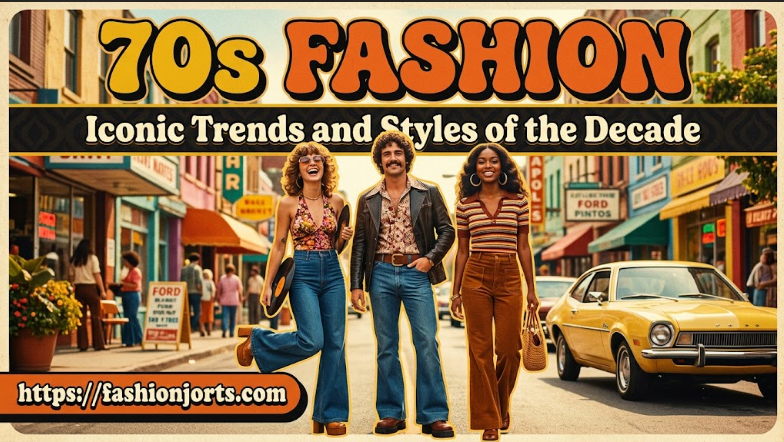
The 1970s was a decade where fashion became a personal statement. Instead of following one strict trend, people experimented with different looks that reflected music, culture, politics, and changing lifestyles. From relaxed bohemian outfits to glamorous disco clothing, 70s fashion represented freedom, creativity, and confidence. What made this era special was the variety. A person could wear denim and suede during the day, a colorful patterned outfit in the evening, and a sparkling jumpsuit for a night out. The decade introduced many styles that still influence modern wardrobes, proving that the appeal of 70s fashion goes far beyond nostalgia.
The Cultural Changes Behind 70s Style
Fashion in the 1970s developed during a period of major social change. Younger generations were challenging traditional ideas about appearance, and clothing became a way to express individuality. People wanted outfits that felt comfortable, practical, and connected to their personality. The decade continued the free spirited attitude of the late 1960s but moved in new directions. Some people embraced natural fabrics, handmade details, and relaxed shapes, while others preferred bold colors, dramatic designs, and glamorous evening wear. Music also had a powerful influence. Rock, disco, punk, and soul movements each created their own fashion identities. Clothing was no longer just about looking polished; it became a way to show interests, beliefs, and lifestyle.
The Rise of Bohemian Fashion
One of the most recognizable styles of the early 1970s was bohemian fashion. Inspired by artistic communities and counterculture movements, this style focused on comfort, creativity, and a connection with nature. Flowing maxi dresses, embroidered tops, crochet designs, suede jackets, and long skirts became popular choices. Many outfits featured floral patterns, earthy colors, and layered accessories that created a relaxed appearance. Bohemian style was less about matching every piece perfectly and more about creating a personal look. Vintage clothing, handmade jewelry, and unique accessories helped people build outfits that felt individual rather than mass produced.
Bell Bottoms Became a Fashion Symbol
Few clothing items represent the decade more clearly than bell bottom jeans. These trousers had a fitted shape around the hips and thighs before widening below the knee, creating a dramatic silhouette. Although flared trousers existed before the 1970s, they became widely popular during this period. Both men and women wore them with fitted shirts, jackets, boots, and platform shoes. Bell bottoms represented the relaxed attitude of the era. Denim was no longer viewed only as work clothing; it became a major part of everyday fashion and youth culture.
Disco Fashion Brought Glamour to the Night
By the second half of the 1970s, disco transformed fashion into something more theatrical. Nightclubs became important social spaces, and people dressed for movement, energy, and attention. Disco outfits often included shiny fabrics, sequins, satin shirts, jumpsuits, and metallic details. Platform shoes became a key part of the look, adding height and making outfits more dramatic. Men’s disco fashion often featured wide collar shirts, fitted trousers, and colorful suits. Women’s styles included flowing dresses, fitted jumpsuits, and eye catching evening pieces. The popularity of disco showed that fashion could be playful and expressive. Clothing was designed not only for everyday life but also for celebration.
Women’s Fashion Changed Through Freedom and Comfort
Women’s fashion during the 1970s reflected changing ideas about independence and lifestyle. Clothing became less restrictive, giving women more choices in how they dressed. Trousers became an important part of women’s wardrobes, including wide leg pants, tailored suits, and casual jeans. Dresses remained popular, especially wrap dresses, maxi styles, and flowing designs. The decade also encouraged mixing different influences. A woman might combine a structured jacket with casual denim or pair a feminine dress with heavy boots. The focus was on personal style rather than following a single formula.
Men’s Fashion Became More Colorful
Men’s clothing in the 1970s moved away from the conservative styles of previous decades. Many men began experimenting with brighter colors, patterns, and different silhouettes. Popular pieces included flared trousers, patterned shirts, leather jackets, velvet jackets, and casual suits. Wide collars became a defining detail, often paired with open necklines. The leisure suit became one of the most memorable trends of the decade. Made from comfortable synthetic fabrics, it offered a more relaxed alternative to traditional formal clothing.
The Role of Colors, Fabrics, and Patterns
The visual identity of 70s fashion came from its fearless use of color and texture. Designers and everyday shoppers embraced combinations that felt bold and expressive. Popular shades included warm browns, orange, mustard yellow, green, cream, and deep red. Patterns such as paisley, floral designs, geometric shapes, and stripes appeared on everything from shirts to dresses. Fabrics also played an important role. Suede, denim, velvet, leather, polyester, and knit materials gave outfits different textures and personalities.
Hairstyles and Accessories Completed the Look
A 70s outfit was rarely complete without the right hairstyle and accessories. Hair became larger, more natural, and more expressive during the decade. Popular hairstyles included feathered layers, shag cuts, afros, and long flowing styles. Volume and movement were key features. Accessories added another layer of personality. Oversized sunglasses, wide belts, scarves, large earrings, and statement necklaces helped define the decade’s fashion identity.
How Music and Celebrities Influenced 70s Fashion
Entertainment had a major impact on what people wore. Musicians and actors often introduced styles that quickly became popular among fans. Rock performers brought dramatic clothing, leather pieces, and bold stage outfits into public attention. Disco artists popularized glamorous looks, while celebrities helped make certain hairstyles and clothing choices iconic. Fashion and entertainment became closely connected during the decade. People were not only inspired by designers but also by the artists they followed.
Why 70s Fashion Is Popular Again
The return of 70s inspired clothing shows how strongly the decade continues to influence modern style. Designers often revisit elements such as flared jeans, vintage prints, platform footwear, and relaxed silhouettes. The reason these trends return is their balance between comfort and personality. Many 70s pieces can easily be adapted to modern wardrobes without looking outdated. Today, people often combine one retro item with contemporary clothing. A pair of flare jeans with a simple top or a suede jacket with modern basics creates a look inspired by the decade without feeling like a costume.
Common Mistakes When Creating a 70s Inspired Look
A common misunderstanding is that dressing in a 70s style means wearing every famous trend at once. Combining bell bottoms, bright patterns, platforms, and excessive accessories can make an outfit feel more like a costume. A better approach is choosing one or two elements that represent the decade. A vintage print, a pair of flared trousers, or a suede jacket can add a 70s influence while keeping the outfit modern. The original decade was about personal expression, so the best modern interpretation is one that feels natural to the person wearing it.
Conclusion
70s fashion remains memorable because it represented freedom and creativity. Instead of following one standard appearance, people explored different styles that reflected their personalities and interests. The decade gave fashion some of its most recognizable pieces, from bell bottoms and platform shoes to bohemian dresses and disco outfits. Many of these trends continue to return because they offer something modern fashion often values: comfort with character. The lasting lesson of 70s style is simple. Fashion works best when it allows people to express who they are. That idea keeps the spirit of the decade alive today.