Harajuku fashion is not just about colorful outfits, unusual combinations, or eye catching accessories. It represents a way of thinking about clothing where creativity, personality, and individuality come before traditional fashion rules. Born in Tokyo’s Harajuku district, this street style movement gave young people a space to experiment with their appearance and create looks that reflected their interests, emotions, and imagination. Unlike mainstream fashion, where trends often move from designers to consumers, Harajuku developed from the streets. People became the creators, mixing vintage clothing, handmade designs, music influences, and different cultural references to build styles that felt completely personal. This freedom is what made Harajuku fashion recognizable around the world.
What Is Harajuku Fashion?
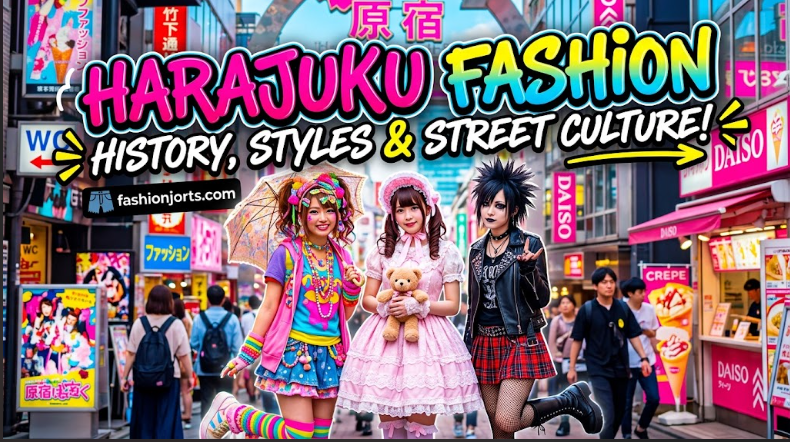
Harajuku fashion refers to the wide range of creative street styles that emerged from the Harajuku area of Tokyo. It is not a single style with fixed rules. Instead, it includes many different fashion communities, each with its own appearance and philosophy. Some outfits may feature pastel colors, lace, and elegant dresses, while others may include punk elements, dark makeup, oversized silhouettes, or experimental streetwear. The variety is what defines the movement. The main idea behind Harajuku style is self expression. Clothing becomes a personal statement rather than simply a way to follow what is popular. A person’s outfit can represent their favorite music, artistic interests, cultural influences, or simply their mood.
The Origins of Harajuku Fashion Culture
Harajuku became known as a center of youth culture during the second half of the twentieth century. As Tokyo’s fashion scene expanded, the area attracted independent designers, musicians, artists, and young people looking for alternatives to traditional styles. During the 1980s and 1990s, Harajuku developed a reputation for creative street fashion. Small boutiques and independent designers helped create an environment where unusual ideas could grow. Young fashion lovers began combining different influences instead of following a single trend. The popularity of street photography also helped spread Harajuku’s unique style. Photographers documented everyday outfits and showed that fashion could come from ordinary people walking through city streets, not only from professional designers.
The Most Popular Styles Within Harajuku Fashion
Harajuku fashion includes several well known subcultures. Each one offers a different interpretation of creativity and personal style.
Lolita Fashion and Its Elegant Aesthetic
Lolita fashion is one of the most recognized styles associated with Harajuku. Inspired by Victorian and Rococo clothing, it focuses on elegance, detail, and a romantic appearance. Typical outfits often include decorated dresses, lace, bows, structured skirts, and carefully matched accessories. The style is divided into different categories, including Sweet Lolita with softer colors, Gothic Lolita with darker themes, and Classic Lolita with traditional influences. Although it may appear similar to historical clothing, Lolita fashion is a modern Japanese creation with its own community and design culture.
Decora Fashion and the Love of Decoration
Decora fashion takes a playful approach by using clothing and accessories as a form of visual creativity. The style is recognized for bright colors, layered outfits, and large amounts of decorative items. Hair clips, colorful jewelry, character accessories, and patterned clothing are often combined to create a cheerful appearance. The purpose is not minimal beauty but joyful self expression. Decora shows one of Harajuku fashion’s strongest ideas: more personality can be added through imagination and creativity.
Visual Kei and Alternative Influences
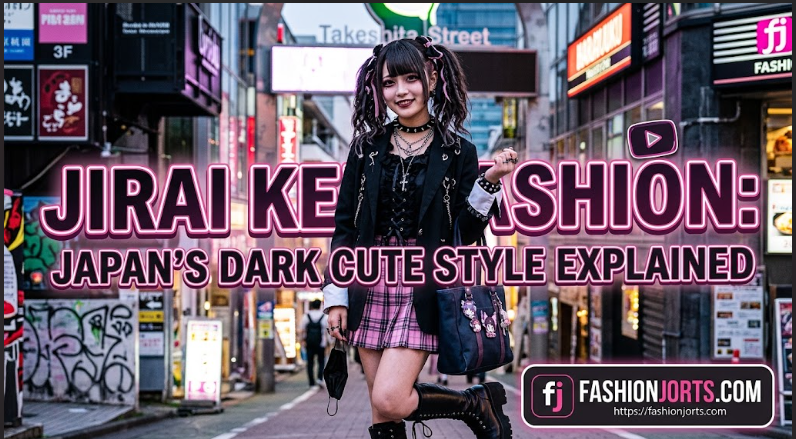
Visual Kei developed through Japanese rock music culture and became connected with Harajuku’s alternative fashion scene. It is known for dramatic styling, creative hairstyles, bold makeup, and theatrical clothing. The relationship between music and fashion is important in this style. Many Visual Kei fans use clothing as an extension of their favorite artists and the emotions connected with music.
Gyaru and Glamorous Street Style
Gyaru became another influential Japanese youth style that shaped fashion culture around Harajuku. It focused on confidence, glamour, and a carefully created appearance. The style often included fashionable hairstyles, statement makeup, platform shoes, and trendy clothing. Over time, different versions of gyaru developed, ranging from soft feminine looks to more rebellious interpretations.
How Harajuku Fashion Influenced Global Style
Harajuku fashion changed the way people viewed street style. It showed that fashion innovation does not only happen on runways or through luxury brands. Creative ideas can come from communities and individuals creating their own looks. The movement influenced designers, photographers, and fashion enthusiasts worldwide. Elements such as mixing vintage and modern pieces, experimenting with gender expression, layering clothing, and personal customization became more accepted in global fashion. Many modern online fashion communities continue to follow the same approach by creating unique outfits and sharing personal style ideas.
The Role of Social Media in Modern Harajuku Style
The way people discover and share fashion has changed dramatically. Earlier Harajuku culture was documented mainly through magazines and street photographers, while today social media allows styles to spread instantly. Platforms focused on visual content have helped people from different countries discover Japanese street fashion and create their own interpretations. Fashion communities can now exist beyond physical locations. However, this change also means Harajuku fashion is no longer limited to one neighborhood. The style has become more international, with people adapting its ideas according to their own cultures and preferences.
Is Harajuku Fashion Still Relevant Today?
Harajuku fashion has changed over time. The streets of Tokyo do not look exactly like they did during the peak years of early 2000s street fashion, but the creative spirit remains. Some traditional styles have become less common, while others have evolved. Modern Harajuku includes a mixture of alternative fashion, vintage clothing, streetwear, and personal styling. The biggest change is that fashion communities now exist both offline and online. People no longer need to visit Harajuku to participate in its culture. They can create, share, and connect from anywhere in the world.
How to Create a Harajuku Inspired Look
Creating a Harajuku inspired outfit does not mean copying a specific style. The strongest approach is to focus on personal creativity. Start with pieces that represent your personality. Try combining different textures, adding unique accessories, mixing old and new clothing, or customizing simple items. A successful outfit does not need to be expensive or complicated. The important part is creating something that feels authentic and reflects your own taste.
Common Misunderstandings About Harajuku Fashion
Many people assume Harajuku fashion is only about bright colors and extreme outfits. While colorful styles are part of the culture, the movement has always included many different aesthetics. Another misunderstanding is that Harajuku style is random. In reality, many outfits involve careful planning, knowledge of fashion history, and attention to details. The creativity behind these looks comes from intention. Each piece often has a reason for being included.
Conclusion
Harajuku fashion remains one of the clearest examples of how clothing can become a form of communication. It moved beyond traditional ideas of what fashion should look like and created space for experimentation and individuality. Its influence continues because the core message is timeless. People want clothing that represents who they are, not just what is currently popular. Whether through colorful accessories, vintage combinations, elegant designs, or alternative styles, Harajuku fashion continues to remind the world that creativity is one of the most powerful parts of personal style.