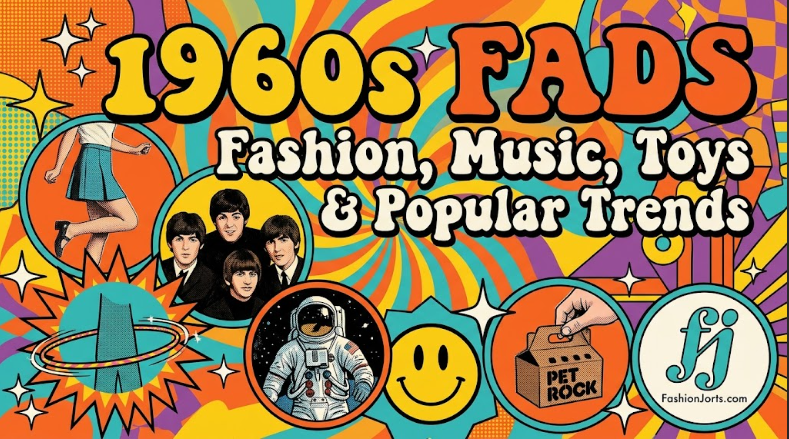
The 1960s brought a fresh sense of excitement to everyday life. Young people experimented with different clothes, discovered new music, and embraced activities that challenged traditional ideas. From colorful outfits to unusual household decorations, the decade introduced trends that quickly became part of popular culture. What made this period interesting was the variety of things people enjoyed. Some trends started in fashion boutiques, while others came from television programs, music performances, and playgrounds. Many lasted only a few years, but others became familiar parts of modern culture.
What Made the 1960s So Different?
The decade was a period of changing attitudes and growing independence among younger generations. Teenagers wanted their own music, clothing, hairstyles, and entertainment rather than simply following their parents’ preferences. Businesses noticed this growing interest and began producing products aimed specifically at younger customers. Television helped turn local interests into national sensations. A dance performed on a popular show could become a weekend activity for teenagers across the country. Similarly, a celebrity wearing an unusual outfit could inspire thousands of people to try something similar.
Fashion Styles That Everyone Wanted to Try
Clothing became an important way for people to express their personalities. Traditional outfits gradually shared space with shorter dresses, unusual patterns, and more relaxed designs. Fashion also changed throughout the decade, with early styles looking quite different from those worn toward the end.
Mini Dresses and Bold Patterns
Short dresses became a recognizable part of youthful fashion. Many featured bright colors, contrasting shapes, and simple geometric designs. Women paired them with tights, fashionable boots, and accessories that completed the outfit. These dresses offered an alternative to more conservative clothing. Their popularity also helped establish a younger and more playful approach to everyday fashion.
Colorful Shirts and Flared Trousers
Men’s fashion became more experimental as the decade progressed. Bright shirts, patterned fabrics, and wider trouser styles attracted attention among younger shoppers. Flared trousers became particularly recognizable toward the late 1960s. They offered a relaxed alternative to narrow-cut pants and later became even more popular during the following decade.
Creative Hairstyles
Hair trends also changed considerably during this period. Some women preferred carefully arranged beehive hairstyles, while others experimented with shorter cuts and straight hairstyles. Men increasingly adopted longer hair, especially within music and counterculture circles. Headbands, scarves, and decorative accessories also became familiar fashion choices.
Music Trends That Brought People Together
Music provided a shared experience for young people during the decade. Record players, radio programs, concerts, and television performances helped new artists reach larger audiences. Popular songs often influenced clothing, hairstyles, dancing, and social activities.
The Excitement Around British Bands
British music groups attracted enormous attention in the United States. Their songs introduced new sounds, while their clothing and hairstyles influenced young fans. The Beatles became particularly important because their popularity extended beyond record sales. Their appearance encouraged teenagers to experiment with different haircuts and clothing styles.
Dancing at Parties and Social Gatherings
Dancing became a favorite activity at parties, school events, and family gatherings. People enjoyed learning simple routines that allowed everyone to participate without professional training. The Twist remained a familiar favorite, while dances such as the Mashed Potato offered something different. These activities made music more interactive and gave teenagers another way to socialize.
Toys and Activities Children Remembered
Children experienced their own popular trends through toys, games, and creative activities. Many products encouraged imagination, friendly competition, or collecting. Some became temporary playground favorites, while others remained popular for generations.
Collecting Colorful Troll Dolls
Troll dolls attracted children with their funny expressions and brightly colored hair. They came in different sizes and appearances, making them enjoyable collectibles. Many children kept them on bedroom shelves, carried them in school bags, or exchanged them with friends. Their unusual appearance helped distinguish them from more traditional dolls.
Playing Twister With Friends
Twister turned ordinary gatherings into entertaining challenges. Players followed instructions to place their hands and feet on different colored circles while trying not to fall. The game became popular because it required little preparation and encouraged everyone to participate. It was particularly entertaining at birthday parties and family gatherings.
Making Pictures With Spirograph
Spirograph introduced children to creative drawing through simple mechanical pieces. Users combined plastic rings, gears, and pens to produce detailed patterns. The results often looked complicated, even though the process was easy to learn. It offered an enjoyable activity for children who liked drawing, experimenting, and creating their own designs.
The Growing Appeal of Hippie Culture
The later 1960s brought a stronger interest in alternative lifestyles and personal freedom. The hippie movement attracted young people who questioned traditional expectations and supported messages of peace and nonviolence. Its influence appeared in clothing, music, art, and social gatherings. Loose garments, handmade accessories, natural fabrics, and colorful patterns became familiar features of the movement.
Handmade Accessories and Natural Clothing
Many young people preferred clothing that looked personal rather than mass-produced. Beaded necklaces, woven bracelets, embroidered garments, and fabric headbands became popular accessories. Handmade items also reflected an interest in creativity and individuality. People could make or customize their own clothing without following expensive fashion trends.
Peace Messages and Flower Decorations
Peace symbols and flower designs appeared on posters, shirts, bags, and jewelry. These images were associated with opposition to war and hopes for a more peaceful society. The message extended into music festivals and public gatherings. It became one of the most recognizable visual features of late-1960s counterculture.
Home Decorations and Everyday Entertainment
Popular trends also influenced how people decorated their homes. Modern furniture, unusual lighting, and colorful artwork offered alternatives to more traditional interiors.
Lava Lamps as Decorative Favorites
Lava lamps became recognizable decorative objects because of their moving shapes and glowing colors. Their unusual appearance suited bedrooms, living rooms, and entertainment spaces. They were especially attractive to people who enjoyed the decade’s experimental design styles. Even today, they remain associated with retro interiors.
Psychedelic Posters and Artwork
Bright colors and unusual patterns became common in music posters and graphic design. Artists experimented with curved lettering, contrasting shades, and imaginative illustrations. These designs were particularly popular around music venues and record shops. Their distinctive appearance helped give the late 1960s its recognizable visual identity.
Paper Dresses and Disposable Fashion
Paper dresses offered something unusual for shoppers interested in novelty clothing. These lightweight garments often featured bold prints and were designed for limited use. Their popularity demonstrated how willing fashion companies were to experiment with new materials. Although the trend didn’t last long, it remains an interesting example of the decade’s creative fashion ideas.
How 1960s Trends Continue to Influence Modern Culture
Many styles from the decade regularly return to modern fashion and entertainment. Designers continue to draw inspiration from geometric prints, shorter dresses, flared trousers, and colorful accessories. Vintage shops also attract customers looking for original clothing and decorative pieces from the period. Music and dance trends have also maintained their cultural importance. Songs from the decade appear in films, television programs, commercials, and modern playlists. Classic toys and games continue to attract collectors and families interested in nostalgic entertainment. The lasting appeal comes from the freedom and creativity associated with the period. Rather than following one particular style, people experimented with different looks and activities until they found something they enjoyed.
Conclusion
The 1960s offered a remarkable variety of trends that touched nearly every part of everyday life. Fashion encouraged personal expression, music brought communities together, and toys created new ways for children to enjoy their free time. These developments reflected a generation that was increasingly interested in independence and creative choices. Not every popular idea became a lasting tradition, but each contributed something to the decade’s identity. Some trends disappeared quickly, while others returned in new forms through modern fashion, entertainment, and design. Looking back at this period is a reminder that popular culture constantly changes. The styles and activities people enjoy today may eventually become the nostalgic favorites of another generation.