Japanese men’s fashion stands out because it treats everyday clothing as an opportunity for personal expression. A simple outfit can feel distinctive through its proportions, fabric, layering, or the way individual pieces complement one another. From relaxed streetwear to understated tailoring, Japanese style offers options for men who prefer practical clothing as well as those who enjoy experimenting with their appearance. There is no single formula for dressing in Japanese fashion. Some outfits are built around oversized silhouettes and graphic prints, while others rely on clean lines, muted colors, and carefully chosen accessories. Understanding these differences makes it easier to find a style that suits your personality, budget, and daily routine.
What Makes Japanese Men’s Fashion Different?
One defining feature is the attention given to the shape of a garment. Instead of focusing exclusively on a slim fit, many Japanese-inspired outfits use wider trousers, boxy shirts, dropped shoulders, and longer outerwear to create a balanced silhouette. Fabric selection also matters. Heavy cotton, textured denim, soft knitwear, and lightweight linen can give basic clothing a distinctive appearance without requiring bold patterns or visible branding. These details are especially useful when building a wardrobe that feels considered but remains comfortable enough for everyday use. Another characteristic is the freedom to combine different influences. A traditional workwear jacket might be paired with modern sneakers, while tailored trousers can work with a casual sweatshirt. This flexibility allows Japanese-inspired fashion to move between relaxed street style and more polished dressing.
Popular Japanese Fashion Styles for Men
Japanese Streetwear
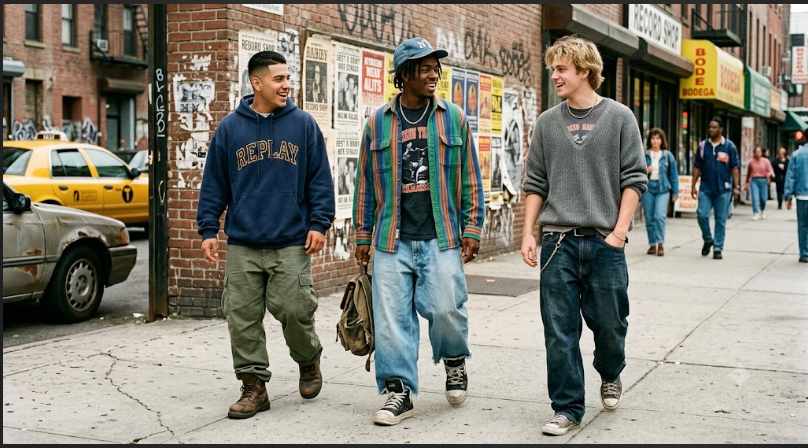
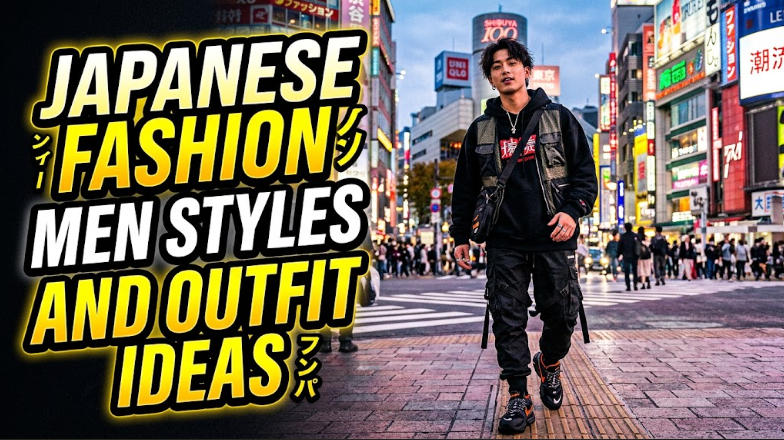
Streetwear is a good starting point for men who enjoy casual clothing with a strong visual identity. Oversized T-shirts, graphic sweatshirts, baggy jeans, cargo pants, and statement sneakers form the foundation of many streetwear outfits. The key is to create a clear focal point rather than wearing several attention-grabbing pieces at once. For example, a graphic hoodie can be paired with plain black trousers and neutral sneakers for a look that feels expressive without becoming cluttered.
Minimalist Japanese Fashion
Minimalist clothing focuses on simplicity, useful design, and coordinated colors. Black, white, navy, beige, and grey are easy to combine, making this style particularly practical for men who want more outfit options from fewer garments. A relaxed shirt, straight-leg trousers, and understated shoes can work for everyday activities, informal meetings, or dinners. The appeal comes from how the clothes fit and work together, rather than from logos or complicated details.
Japanese Workwear
Workwear-inspired fashion draws on durable garments designed for practical use. Denim jackets, chore coats, utility trousers, flannel shirts, and sturdy boots create a wardrobe with a rugged, vintage character. These pieces are easy to combine with contemporary basics. A faded denim jacket over a plain T-shirt, for instance, adds texture without requiring additional accessories. Choosing durable materials and versatile colors also makes workwear a sensible option for regular use.
Avant-Garde Fashion
Avant-garde menswear offers a more experimental approach to clothing. Unusual cuts, asymmetrical details, oversized coats, layered fabrics, and unconventional silhouettes allow the wearer to move beyond traditional ideas about how men’s clothing should look. You don’t need an entirely experimental wardrobe to try this style. Start with one distinctive garment, such as a long coat or wide trousers, and balance it with simpler pieces. This keeps the outfit wearable while allowing the unusual shape or construction to stand out.
Japanese Clothing Brands Worth Exploring
Japanese fashion brands cover a wide range of budgets and design preferences. Choosing one based on your preferred style is more useful than assuming every Japanese label offers the same aesthetic. Uniqlo is a practical option for everyday essentials, including plain T-shirts, knitwear, lightweight jackets, and trousers. Its straightforward designs make it easier to build a wardrobe without spending heavily on individual items. Comme des Garçons is better suited to men interested in unconventional design, while Yohji Yamamoto is associated with expressive tailoring and dramatic silhouettes. Both offer alternatives to traditional menswear, although their designer collections may be expensive. Kapital is worth exploring if you appreciate distinctive denim, vintage references, and decorative details. Undercover offers a different direction through graphic elements and alternative streetwear, making it a useful reference for men who prefer a more expressive look. The best approach is to compare individual garments rather than buying from a brand simply because it is popular. Fit, material, construction, and how often you expect to wear a piece should guide your decision.
How to Create Japanese-Inspired Outfits
Building this style begins with a few versatile garments. Choose trousers that fit comfortably, tops that suit your preferred proportions, and outerwear that works with several items you already own. For a casual outfit, combine a plain T-shirt, relaxed jeans, and retro sneakers. Add an overshirt when the weather calls for another layer. This combination is simple enough for daily wear while leaving room to experiment with color and texture. For a smarter appearance, try a relaxed blazer with a fine-knit sweater and straight-leg trousers. Leather shoes or understated sneakers can finish the outfit, depending on the occasion. The result feels more polished without becoming overly formal. If you prefer streetwear, combine a boxy sweatshirt with loose cargo trousers and sneakers. Keep the accessories limited and choose complementary colors so the overall shape remains the focus.
Common Mistakes to Avoid
Wearing oversized clothing doesn’t automatically create a good Japanese-inspired outfit. If every garment is excessively wide or long, the proportions can become difficult to manage. Pay attention to sleeve length, trouser breaks, shoulder placement, and the relationship between your top and bottom layers. Another common mistake is buying too many statement pieces before establishing a reliable foundation. Graphic prints, unusual jackets, and distinctive footwear are easier to style when you already own neutral basics. Building gradually also helps you discover which elements suit your lifestyle. Finally, don’t overlook comfort and practicality. Clothing should work with your daily activities, climate, and personal preferences rather than simply copying a photograph. The most successful wardrobe is one you can wear confidently and consistently.
Conclusion
Japanese men’s fashion offers plenty of room to develop a personal style without following a rigid set of rules. Its different approaches allow you to choose between practical workwear, understated basics, expressive streetwear, and experimental designs. Start with clothing that fits your daily routine, then experiment with proportions, textures, and layering. You can develop a distinctive wardrobe over time without replacing everything you already own. The goal isn’t to copy Japanese fashion exactly. It’s to understand the choices behind an outfit and use them to create clothing combinations that feel comfortable, deliberate, and genuinely personal.