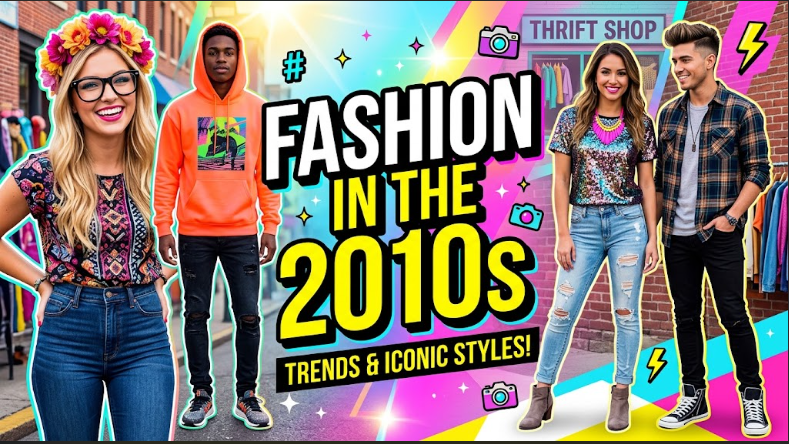
Fashion in the 2010s brought together contrasting styles, from fitted denim and elegant blazers to oversized hoodies and chunky sneakers. The decade encouraged people to experiment with their appearance while making casual clothing an essential part of everyday life. Social media also changed how trends spread, allowing ordinary people, fashion bloggers, musicians, and celebrities to influence what others wore. Unlike earlier decades often associated with a particular silhouette, the 2010s offered room for different aesthetics to coexist. Minimalist outfits appealed to those who preferred simplicity, while streetwear and vintage-inspired clothing attracted people looking for something more expressive. Understanding these changes helps explain why many pieces from the decade continue to inspire modern fashion.
What Defined Fashion in the 2010s?
One of the defining characteristics of 2010s fashion was its variety. People could choose between tailored outfits, relaxed sportswear, alternative styles, and bold designer clothing without following a single dominant trend. Online communities made these different aesthetics easier to discover and adapt. Clothing also became more closely connected to personal identity. A graphic T-shirt could communicate musical interests, while carefully selected sneakers or accessories could distinguish an otherwise simple outfit. This approach encouraged people to build wardrobes around individual preferences rather than follow traditional fashion rules.
The Popularity of Skinny Jeans and Fitted Clothing
Skinny jeans were among the most recognizable garments of the early 2010s. Their narrow shape worked with ankle boots, ballet flats, fitted shirts, leather jackets, and oversized sweaters. Both men and women incorporated slim denim into casual and smart-casual outfits. Other popular pieces included peplum tops, structured blazers, pencil skirts, and statement necklaces. These garments created defined silhouettes and offered an alternative to the looser clothing that became more prominent later in the decade. Although trends varied by location and age group, fitted clothing remained a familiar part of everyday wardrobes.
How Social Media Influenced Personal Style
The growth of Instagram, Tumblr, and Pinterest changed how people found fashion inspiration. Instead of relying exclusively on magazines and television, users could follow designers, save outfit ideas, and discover independent brands through online communities. Fashion bloggers also developed audiences by sharing affordable styling ideas and documenting their everyday outfits. This shift made fashion more participatory. People could adapt a celebrity-inspired look using clothes they already owned, or introduce an emerging trend to their own followers. However, the constant flow of new outfits also created pressure to keep up with changing styles, particularly among younger audiences.
Athleisure Made Comfort Fashionable
Athleisure became one of the decade’s most enduring developments. Leggings, sweatshirts, sports bras, joggers, and athletic shoes moved beyond workout settings and became common choices for travel, shopping, and relaxed social occasions. The style appealed to people who wanted practical clothing without sacrificing appearance. Brands such as Nike and Adidas helped maintain the popularity of sportswear, while dedicated activewear companies expanded the range of options available to consumers. Sneakers increasingly appeared with jeans, dresses, and tailored trousers, demonstrating that athletic footwear could work in many settings. Comfort became a consideration in outfit planning rather than something reserved for leisure activities.
Streetwear Changed the Meaning of Luxury
Streetwear gained greater visibility during the second half of the decade. Oversized hoodies, graphic T-shirts, baseball caps, relaxed trousers, and distinctive sneakers became recognizable features of contemporary style. Influences from hip-hop, skateboarding, and youth culture helped shape these looks. The collaboration between Supreme and Louis Vuitton in 2017 illustrated the growing connection between streetwear and luxury fashion. Virgil Abloh’s work at Off-White and his appointment as Louis Vuitton menswear artistic director in 2018 also reflected this change. Casual clothing and graphic design had become important parts of conversations about high fashion.
Vintage Denim and Retro Sneakers Returned
Toward the end of the decade, fashion increasingly embraced relaxed silhouettes and references to earlier eras. High-waisted mom jeans, straight-leg denim, cropped tops, and oversized jackets offered alternatives to the fitted styles that had dominated earlier years. These pieces were often paired with simple T-shirts and casual footwear. Chunky sneakers also became highly visible. Balenciaga’s Triple S, released in 2017, helped bring exaggerated proportions into mainstream fashion conversations. Retro sportswear, mini backpacks, and belt bags added to the decade’s interest in reinterpreting older designs for contemporary outfits.
Celebrities Who Shaped the Decade’s Style
Celebrities influenced how people understood and adopted fashion trends. Rihanna became known for combining experimental silhouettes with streetwear and luxury clothing, while Kim Kardashian popularized coordinated neutral outfits and body-conscious dresses. Kanye West helped bring minimalist streetwear and distinctive sneaker designs to wider audiences. Other public figures influenced fashion in different ways. Lady Gaga continued to attract attention with theatrical outfits, while Harry Styles became associated with colorful suits, expressive prints, and less conventional approaches to menswear. Their styles showed that fashion could communicate personality, creativity, and changing ideas about self-expression.
How 2010s Fashion Influences Modern Outfits
Many pieces associated with the decade remain useful in contemporary wardrobes. Straight-leg jeans, graphic T-shirts, bomber jackets, sneakers, and oversized outerwear can be combined with modern basics to create outfits that feel current rather than dated. The continuing interest in Y2K fashion has also renewed attention to selected trends from the late 1990s and early 2000s. A practical way to revisit the decade is to choose one recognizable item and balance it with simpler pieces. For example, a graphic T-shirt can work with straight-leg trousers and clean sneakers, while a vintage bomber jacket can add character to a neutral outfit. This approach preserves the original style’s personality without requiring a complete head-to-toe recreation.
Conclusion
The fashion of the 2010s reflected a decade of changing preferences, wider access to style inspiration, and growing acceptance of casual clothing. Fitted denim gradually shared space with relaxed trousers, while sportswear and streetwear became important parts of everyday dressing. Celebrity culture and social media helped these developments reach audiences around the world. What makes the decade memorable is not one particular outfit but the variety of ways people expressed themselves. Its most useful lesson is that personal style does not require following every trend. Choosing well-fitting basics, experimenting with a few distinctive pieces, and adapting older influences to individual preferences can create a wardrobe that remains relevant beyond any single fashion era.