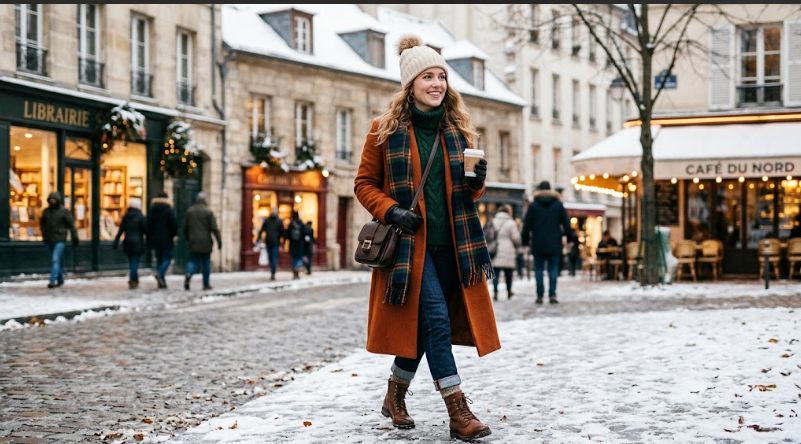
Contemporary fashion reflects the way people dress, express themselves, and respond to changing cultural influences. It brings together everyday clothing, creative design, personal taste, and practical needs without following one fixed set of rules. A sharply tailored jacket, relaxed denim, a vintage-inspired dress, or a pair of statement shoes can all fit within this broad style category. What makes contemporary fashion interesting is the freedom to combine familiar pieces with fresh ideas and create a look that feels relevant to the individual.
What Is Contemporary Fashion?
Contemporary fashion refers to clothing and design that reflect the present period. It draws inspiration from current lifestyles, art, music, social movements, and the changing preferences of consumers. Rather than belonging to one specific aesthetic, it includes a wide range of styles, from understated everyday outfits to expressive designer collections. The term is often associated with clothing that balances appearance and practicality. For example, a structured blazer paired with straight-leg jeans creates a polished outfit without feeling overly formal. Similarly, a simple dress styled with modern accessories can offer a fresh interpretation of a familiar silhouette. Contemporary fashion also changes as society changes. New materials, shifting attitudes toward gender, and greater access to global style inspiration influence how designers create clothing and how people choose to wear it.
Key Elements That Define Contemporary Fashion
Modern Silhouettes
The shape of a garment can completely change the way an outfit looks. Contemporary clothing often experiments with proportions through oversized shirts, wide-leg trousers, cropped jackets, and asymmetrical designs. These details offer alternatives to traditional fits while allowing people to choose shapes that suit their preferences.
Comfort and Everyday Function
Modern wardrobes often need to accommodate several parts of daily life. Clothing that works for commuting, working, meeting friends, and traveling can provide greater value than pieces designed for a single occasion. Breathable fabrics, comfortable shoes, and adaptable layers help create outfits that remain practical without looking ordinary.
Individual Style
Contemporary fashion leaves room for personal interpretation. One person might prefer neutral colors and simple accessories, while another may enjoy bright prints, layered jewelry, and contrasting textures. Both approaches can feel current when the pieces are selected with intention.
Attention to Detail
Small design choices often distinguish an ordinary garment from a memorable one. Interesting stitching, unusual buttons, textured fabrics, carefully shaped sleeves, or distinctive pockets can add character without making an outfit difficult to wear. These details also show why contemporary fashion is not limited to dramatic runway designs.
How Contemporary Fashion Has Changed the Way People Dress
Clothing has become more flexible as everyday routines and social expectations have changed. Traditional distinctions between formalwear and casualwear are less rigid in many settings, allowing people to combine tailored pieces with sneakers, knitwear, or relaxed trousers. The result is a style that can feel polished without requiring a complete formal outfit. Digital platforms have also changed how people discover clothing. Independent designers, local labels, vintage sellers, and international brands can reach audiences through online stores and social media. This wider access gives consumers more options, although the constant flow of new trends can make it harder to distinguish lasting personal preferences from short-lived influences. Another change is the growing interest in clothing that reflects individual identity. People increasingly use fashion to communicate their interests, cultural backgrounds, creativity, and values. This does not mean every outfit needs to make a statement; sometimes, a carefully chosen combination of everyday pieces says enough.
Popular Approaches to Contemporary Style
Minimalist Dressing
Minimalist fashion focuses on simplicity, clean shapes, and a limited color palette. A wardrobe built around well-cut trousers, plain shirts, neutral knitwear, and understated shoes allows different pieces to work together. The strength of this approach lies in careful selection rather than the number of items owned.
Streetwear and Casual Style
Streetwear draws from music, skateboarding, sports, and youth culture. Graphic T-shirts, hoodies, relaxed jeans, sneakers, and utility jackets remain useful examples of this influence. People can make the look more refined by combining casual garments with a tailored coat or structured trousers.
Contemporary Formalwear
Formal clothing has also moved beyond traditional matching suits and conventional dress styles. Separates, relaxed tailoring, modern cuts, and distinctive accessories provide more options for weddings, professional events, and evening occasions. The best choice depends on the dress code and the level of formality required.
Vintage-Inspired Clothing
Contemporary outfits often borrow details from earlier decades without reproducing an entire historical look. A retro jacket might be paired with modern denim, while a classic patterned shirt can work with simple contemporary trousers. Mixing influences in this way allows older designs to feel personal rather than dated.
Designers and Brands Influencing Contemporary Fashion
Different fashion labels demonstrate that modern style does not have a single definition. Prada is known for challenging conventional ideas through unusual combinations, distinctive materials, and experimental styling. Its work shows how familiar clothing can feel unexpected when designers reconsider its context and presentation. Loewe combines traditional craftsmanship with artistic design, particularly in its leather goods, accessories, and sculptural forms. Its collections illustrate the relationship between practical objects and creative expression. Jacquemus is recognized for distinctive proportions, recognizable accessories, and a relaxed visual identity. The brand offers an example of how a consistent design language can make a collection recognizable without relying on one repeated garment. COS takes a more understated approach, emphasizing modern tailoring, clean lines, and versatile clothing. Its aesthetic appeals to people who want current designs that can fit naturally into an everyday wardrobe. Stüssy represents the influence of streetwear and the communities that helped shape it. Its connection to casual clothing, graphic design, and youth culture demonstrates that important fashion movements can develop outside traditional luxury fashion houses. These examples represent different interpretations of contemporary design rather than a definitive list of the most important brands.
How to Develop Your Own Contemporary Wardrobe
Building a modern wardrobe starts with identifying the clothes you genuinely wear. Consider your daily activities, local climate, budget, and preferred level of formality before deciding what to buy. A wardrobe that suits your routine will be more useful than one built entirely around images of fashionable outfits. Begin with versatile garments that can be combined in several ways. Straight-leg jeans, comfortable trousers, simple shirts, a useful jacket, and suitable footwear provide a foundation for different occasions. You can then introduce more distinctive items, such as a patterned garment, a colorful bag, or a jacket with an unusual cut. Pay attention to fit and proportion when putting outfits together. A loose shirt may work well with more structured trousers, while a fitted top can balance wider pants. Experimenting with these combinations often produces better results than purchasing an entirely new outfit for every trend. Finally, consider how long each item is likely to remain useful. Durable construction, comfortable materials, easy care, and versatility can matter more than a brand label. Shopping secondhand, repairing damaged garments, and avoiding unnecessary purchases can also help you develop a wardrobe that reflects your style without excessive spending.
Contemporary Fashion and Sustainability
The fashion industry faces ongoing questions about waste, material use, labor conditions, and the environmental costs of production. Contemporary fashion includes brands that address these concerns, but the term itself does not guarantee that a garment has been produced responsibly. Consumers need to look at specific information about materials, manufacturing, durability, and supply chains. Buying fewer items and wearing them for longer is one practical approach. Secondhand clothing can extend the useful life of existing garments, while repairing a loose seam or replacing a button can prevent a perfectly wearable piece from being discarded. Choosing quality should still involve examining actual construction and usefulness rather than assuming that a higher price guarantees better environmental performance. Sustainability also involves how people care for clothing. Following washing instructions, avoiding unnecessary cleaning, and storing garments properly can help preserve their condition. These small habits make a wardrobe more practical while reducing the need for frequent replacements.
Conclusion
Contemporary fashion is best understood as an open approach to dressing rather than a strict set of trends. It brings together current design ideas, individual preferences, and the practical demands of everyday life. Its variety allows people to explore different aesthetics while keeping the clothing that suits them most. The most successful personal style often comes from knowing what works, experimenting with small changes, and choosing pieces for more than their immediate popularity. A wardrobe does not need expensive labels or constant updates to feel current. Start with clothing that fits your life, then build on it with shapes, colors, and details that express your personality. That balance between practicality and self-expression is what makes contemporary fashion useful beyond any single season.