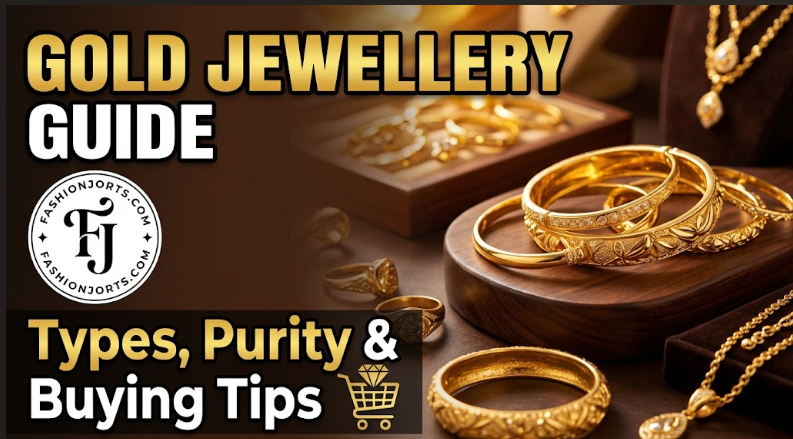
Gold jewellery has remained one of the most valued forms of personal adornment for centuries. People buy gold not only for its beauty but also for its emotional importance, cultural traditions, and long-lasting appeal. A simple ring, a delicate chain, or a detailed necklace can carry memories that stay with families for generations. Today, gold jewellery is available in many styles, designs, and purity levels. Some buyers look for everyday pieces that are comfortable and durable, while others prefer traditional designs for weddings and special events. Understanding the differences between gold types, purity levels, and designs can help you choose a piece that matches your needs.
What Is Gold Jewellery?
Gold jewellery is made by shaping gold into decorative items such as rings, necklaces, earrings, bracelets, and other accessories. Pure gold is naturally soft, so jewellers often combine it with other metals to improve strength and create jewellery that can handle regular use. The amount of pure gold in a piece is measured through the karat system. A higher karat number means the jewellery contains more gold, while lower karat pieces usually contain more alloy metals that add durability. Gold jewellery is available in traditional handcrafted designs as well as modern styles created for everyday fashion.
Why People Choose Gold Jewellery
Gold has a unique position in the jewellery world because it combines appearance, tradition, and value. Many people purchase gold jewellery for important life moments such as weddings, anniversaries, birthdays, and family celebrations. Unlike many fashion accessories, gold pieces can remain meaningful for many years. A necklace or bracelet may become a family keepsake passed from one generation to another. Gold jewellery also offers flexibility. Some designs are made for daily wear, while others are created as statement pieces for special occasions.
Understanding Gold Purity Levels
Choosing the right gold jewellery starts with understanding purity. Gold purity affects the colour, strength, price, and suitability of a piece.
24K Gold
24K gold is considered the purest form of gold. It has a bright yellow colour and contains very little additional metal. However, pure gold is soft, which makes it less suitable for jewellery that is worn frequently. It is often preferred for investment purposes rather than heavy daily-use ornaments.
22K Gold
22K gold contains a high percentage of pure gold while offering more strength than 24K gold. It is widely preferred for traditional jewellery because of its rich colour and premium appearance. Many wedding jewellery designs are created using 22K gold because buyers often value higher gold content for important occasions.
18K Gold
18K gold contains a mixture of gold and other metals, making it stronger and more suitable for detailed designs. It is commonly used for modern jewellery, especially pieces featuring diamonds or gemstones. Its balance between beauty and durability makes it popular among luxury jewellery buyers.
14K Gold
14K gold contains more alloy metals compared with higher-karat options. This makes it stronger and more resistant to scratches. It is often chosen for everyday jewellery because it can handle regular wear while remaining affordable.
Popular Types of Gold Jewellery
Gold Rings
Gold rings are among the most common jewellery choices. They are worn for engagements, weddings, fashion, and personal expression. Modern gold rings range from simple designs to detailed pieces featuring gemstones, unique patterns, and custom finishes. Many buyers prefer minimal styles that can be worn comfortably every day.
Gold Necklaces
Gold necklaces are available in many designs, from lightweight chains to traditional statement pieces. Simple chains are popular for daily wear, while heavier necklaces are often selected for weddings and cultural celebrations. The design, weight, and craftsmanship all influence the final appearance and price.
Gold Earrings
Gold earrings offer a wide range of choices for different styles and occasions. Small studs provide a simple everyday look, while hoops, drops, and traditional designs create a more noticeable appearance. Because earrings are usually lightweight, they are often among the first gold pieces people purchase.
Gold Bracelets and Bangles
Gold bracelets and bangles combine fashion with tradition. Some designs focus on elegance and simplicity, while others include detailed artwork and decorative elements. In many cultures, gold bangles also represent important personal and family milestones.
Different Colours of Gold Jewellery
Gold jewellery is available in more than the traditional yellow shade. Different metals are mixed with gold to create unique colours and finishes.
Yellow Gold
Yellow gold is the classic choice that most people associate with gold jewellery. Its warm appearance makes it suitable for both traditional and modern designs.
White Gold
White gold has a silver-like appearance and offers a contemporary style. It is often used in diamond jewellery because its colour creates a clean contrast with gemstones.
Rose Gold
Rose gold has a soft pink tone created through the addition of copper. It has become popular among buyers looking for a modern and romantic jewellery style.
How to Choose the Right Gold Jewellery
Buying gold jewellery requires more attention than selecting a beautiful design. Several factors determine whether a piece is suitable for your needs.
Consider How You Will Wear It
A piece designed for everyday use should be comfortable and durable. Lower-karat gold can be a practical choice because it is usually stronger, while higher-karat gold may be preferred for occasional wear.
Check Purity Information
Always verify the purity marking before purchasing. A trusted jeweller should provide clear details about gold content, weight, and pricing.
Pay Attention to Craftsmanship
Two jewellery pieces with the same gold weight can have different prices because of design complexity and workmanship. Detailed handmade designs usually require more labour and skill.
Choose a Reliable Seller
Purchasing from a trusted jeweller helps ensure transparency regarding quality, pricing, and certification. Always keep receipts and documentation for valuable purchases.
How to Care for Gold Jewellery
Proper care can help maintain the appearance of gold jewellery for many years. Store each piece separately to avoid scratches caused by contact with other jewellery. Avoid exposing gold items to harsh chemicals, perfumes, and cleaning products. Regular gentle cleaning can remove dirt and maintain shine. Jewellery with gemstones or complex designs may require professional care.
Gold Jewellery Trends Today
Modern jewellery preferences are changing as buyers look for pieces that combine style and practicality. Lightweight designs, simple chains, stackable rings, and personalised jewellery have become popular choices. Many people now prefer jewellery that can be worn regularly rather than stored only for special events. Traditional designs are also being updated with modern touches to suit changing fashion preferences.
Common Mistakes to Avoid When Buying Gold Jewellery
One common mistake is choosing jewellery only by appearance without checking purity and pricing details. A beautiful design does not always mean better quality. Another mistake is ignoring additional charges such as making costs. Understanding the complete price breakdown helps buyers make informed decisions. Buyers should also avoid rushing purchases without comparing designs, checking certifications, and understanding return policies.
Conclusion
Gold jewellery continues to hold a special place because it represents more than decoration. It combines personal style, cultural traditions, and long-term emotional value. Choosing the right piece requires understanding purity, design, quality, and your own lifestyle needs. Whether you prefer a simple everyday accessory or a traditional statement piece, the right gold jewellery can remain meaningful for many years. A careful purchase today can become a valuable possession that carries memories for the future.