The 1920’s fashion era was a turning point in the history of clothing. After years of war and social restrictions, people began looking for a new sense of freedom, and fashion became one of the clearest ways to express that change. The decade introduced relaxed silhouettes, shorter hemlines, bold accessories, and a fresh attitude toward personal style. Known as the Roaring Twenties, this period was shaped by jazz culture, cinema, changing lifestyles, and growing confidence among younger generations. From glamorous evening dresses to practical everyday outfits, 1920s clothing reflected a world that was becoming faster, more modern, and more experimental.
How Fashion Changed During the 1920s
Before the 1920s, women’s clothing often focused on structured shapes created by corsets and fitted garments. The new decade moved away from those restrictive styles and introduced clothing designed for comfort and movement. Women’s dresses became looser, waistlines dropped lower, and heavy layers were replaced with lighter fabrics. The straight silhouette became one of the most recognizable features of the decade, creating a youthful and relaxed appearance. This change was connected to wider social shifts. Women were becoming more active in workplaces, education, sports, and public life. Clothing needed to match these new activities, leading to designs that offered both style and practicality.
The Rise of the Flapper Style
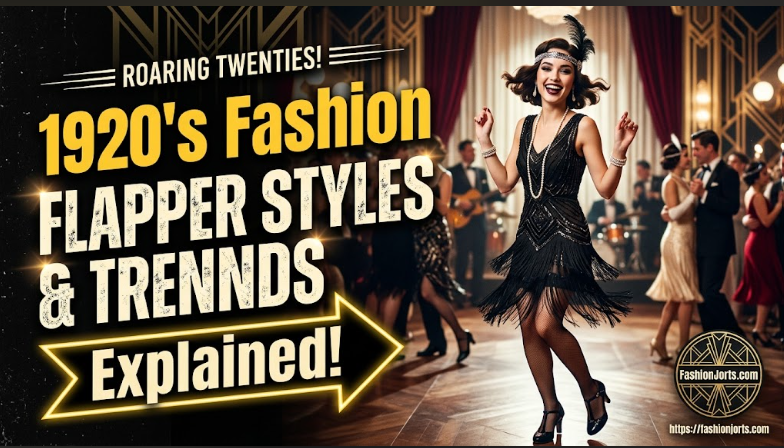
The flapper look became the most famous representation of 1920s women’s fashion. Flappers were young women associated with independence, nightlife, dancing, and modern social attitudes. Flapper dresses usually featured a loose fit, dropped waist, shorter skirts, and decorative details such as beads, sequins, and fringe. Unlike earlier dresses that emphasized the waist and curves, these designs allowed women to move freely while dancing to popular jazz music. However, the flapper image represented only one part of the decade’s fashion. Many women continued wearing traditional clothing, especially for work and daily activities. The popular image of the glamorous flapper was mainly connected with evening events, entertainment, and youth culture.
Dresses That Defined the Decade
The 1920s introduced several dress styles that changed women’s wardrobes. The shift toward simpler shapes did not mean clothing became plain. Designers used decoration, fabric choices, and accessories to create eye-catching looks. Evening dresses often featured silk, satin, velvet, and decorative beadwork. Many designs included geometric patterns inspired by the Art Deco movement, which was becoming popular in architecture, jewelry, and design. Daywear was usually more practical. Women wore simple dresses, skirts, sweaters, and coats that allowed easier movement. The decade helped create a connection between fashion and everyday comfort that remains important today.
Hairstyles and Beauty Trends of the 1920s
Hair became a major part of the new fashion identity. The bob haircut was one of the most recognizable trends of the decade, with many women choosing shorter styles instead of traditional long hairstyles. Short hair represented a modern image and worked well with the clean lines of 1920s clothing. Popular styles included chin-length bobs and carefully shaped waves. Beauty routines also changed. Makeup became more accepted in everyday life, with women experimenting with darker eye makeup, defined eyebrows, and stronger lipstick shades. The influence of Hollywood stars and performers helped spread these beauty trends.
Accessories That Completed the 1920s Look
Accessories were essential during the Jazz Age. Simple dresses were often paired with bold jewelry and decorative pieces that added personality. Long pearl necklaces became one of the decade’s signature accessories. Women also wore beaded handbags, headbands, gloves, and decorative shoes to complete their outfits. The cloche hat was another important item. This close-fitting hat was designed to sit low on the forehead and became closely connected with the short hairstyles of the period.
The Influence of Art Deco on Fashion
The Art Deco movement had a strong influence on 1920s style. Known for its geometric shapes, symmetry, and luxurious appearance, Art Deco brought a modern feeling to clothing and accessories. Fashion designers used sharp patterns, metallic details, and decorative elements to create elegant eveningwear. Jewelry often featured bold shapes and carefully arranged designs that matched the energy of the decade. This connection between fashion and design made 1920s clothing visually distinctive. The same influences could be seen in buildings, furniture, advertisements, and popular entertainment.
Men’s Fashion in the 1920s
Men’s clothing during the decade balanced traditional elegance with a more relaxed approach. Suits remained an important part of everyday wear, especially for business and formal occasions. Three-piece suits, wider trousers, patterned jackets, and formal hats were popular choices. Younger men also embraced casual influences, including sweaters, sports-inspired clothing, and comfortable leisure outfits. The decade created a smoother transition between formal and casual menswear. Many styles introduced during this period influenced men’s fashion throughout the twentieth century.
Designers Who Influenced 1920s Style
Several designers helped shape the direction of fashion during the decade.
Coco Chanel’s Influence
Coco Chanel became known for creating clothing that combined simplicity with elegance. Her designs encouraged women to embrace comfortable fabrics, cleaner shapes, and a more practical approach to dressing. Her work helped establish the idea that fashionable clothing could also be comfortable and functional.
Jean Patou’s Contribution
Jean Patou influenced women’s sportswear and active clothing. His designs reflected the decade’s interest in movement, leisure, and modern lifestyles. Together, designers like Chanel and Patou helped move fashion toward styles that matched the changing role of women in society.
Why 1920s Fashion Still Inspires Today
The influence of 1920s fashion continues to appear in modern clothing, especially in eveningwear, vintage-inspired collections, and special event styles. Flapper dresses, pearl jewelry, Art Deco designs, and short hairstyles remain popular because they represent confidence and creativity. Modern designers often revisit these elements while adapting them for current tastes. The lasting appeal of the decade comes from its message of change. Fashion in the 1920s was not only about appearance; it reflected a society exploring new ideas about identity, freedom, and self-expression.
Conclusion
The 1920’s fashion era changed clothing forever by introducing a new balance between style, comfort, and individuality. The decade moved away from strict traditions and created designs that reflected a faster, more modern society. Flapper dresses, bob hairstyles, Art Deco accessories, and relaxed menswear remain some of the most recognizable fashion elements in history. Their influence continues because they represent a period when people began using fashion as a way to express confidence and personal freedom. The legacy of 1920s style is still visible today, proving that great fashion trends can continue inspiring generations long after their original era ends.