
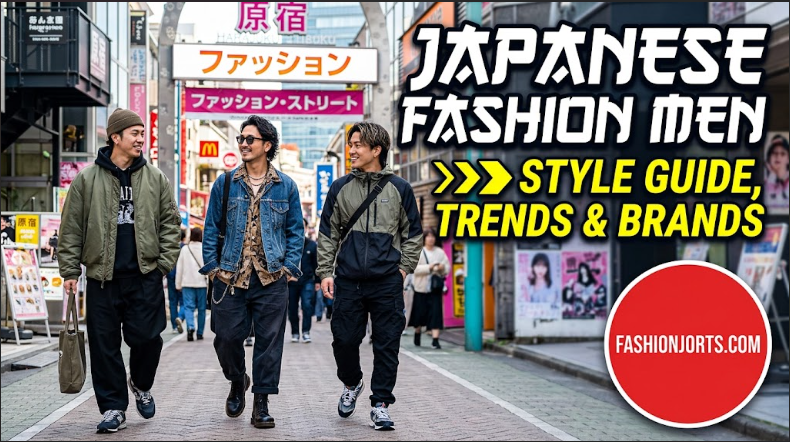
Japanese fashion for men is admired around the world for its balance between simplicity, creativity, and careful design. Instead of depending only on trends or logos, Japanese menswear often focuses on how clothing fits, how different pieces work together, and how personal style can be expressed through everyday outfits. From clean minimalist looks in Tokyo offices to experimental streetwear seen in Harajuku, Japanese men’s fashion covers a wide range of styles. What connects these different approaches is attention to detail, quality materials, and a strong sense of individuality.
What Makes Japanese Men’s Fashion Different?
Japanese menswear stands apart because it treats clothing as more than something practical. The focus is often on creating harmony between shape, color, texture, and the person wearing the outfit. Many Japanese outfits use relaxed silhouettes instead of tight-fitting clothing. Oversized shirts, wide trousers, layered jackets, and simple accessories are common because they create a balanced appearance without looking overly styled. Another important element is quality. Japanese fashion culture values well-made clothing, strong fabrics, and timeless designs. A simple outfit can appear refined when each piece has a thoughtful cut and purpose.
The Evolution of Japanese Men’s Fashion
Japanese fashion has developed through a combination of traditional influences and international inspiration. After World War II, Western clothing styles became more common in Japan, but Japanese designers gradually adapted these influences into something unique. During the 1980s, designers such as Yohji Yamamoto and Rei Kawakubo introduced a different vision of fashion. Their designs challenged traditional ideas of men’s clothing by using oversized shapes, darker colors, and unconventional structures. Later, Tokyo street fashion communities helped create new styles that mixed music, youth culture, and personal creativity. Areas such as Harajuku became known for bold outfits and experimental combinations that influenced fashion worldwide.
Popular Japanese Fashion Styles for Men
Japanese Minimalist Style
Minimalist fashion is one of the most recognizable Japanese men’s styles. It focuses on clean designs, neutral colors, and comfortable clothing that can be worn in different situations. A typical minimalist outfit may include a plain shirt, relaxed trousers, a simple jacket, and understated footwear. The style avoids unnecessary decoration and allows the quality of the clothing to stand out. Colors such as black, white, grey, beige, navy, and olive are commonly used because they are easy to combine and create a sophisticated appearance.
Japanese Streetwear Style
Japanese streetwear combines casual clothing with creativity and cultural influences. It became popular through Tokyo’s youth fashion scenes and later gained international attention. Common streetwear pieces include oversized hoodies, graphic shirts, sneakers, cargo pants, and statement jackets. However, Japanese streetwear often differs from other styles because of its focus on layering and unique combinations. Brands such as BAPE, UNDERCOVER, WTAPS, and NEIGHBORHOOD helped shape the identity of Japanese streetwear by combining fashion with music, art, and urban culture.
Japanese Workwear Style
Workwear-inspired fashion has a strong following among Japanese menswear enthusiasts. This style takes inspiration from traditional uniforms and durable clothing designed for practical use. Popular pieces include denim jackets, utility pants, heavy cotton shirts, boots, and chore jackets. Japanese versions of workwear often focus on craftsmanship and long-lasting materials. This style works well for men who prefer a rugged appearance while still wanting a carefully designed outfit.
Japanese Techwear Style
Techwear focuses on combining modern design with functionality. It is popular among people who want clothing that looks futuristic while remaining practical. Typical techwear items include waterproof jackets, technical trousers, utility bags, and lightweight footwear. The style usually uses darker colors and functional details such as multiple pockets and adjustable features.
Japanese Designer Fashion
Japanese designer fashion is known for challenging traditional ideas about menswear. Many designers experiment with shape, structure, and movement rather than following standard clothing patterns. Yohji Yamamoto is recognized for his flowing silhouettes and dark aesthetic, while Comme des Garçons is known for creative designs that question conventional fashion rules. These designers have influenced not only Japanese fashion but also global menswear.
Popular Japanese Fashion Brands for Men
Uniqlo
Uniqlo represents accessible Japanese style with practical everyday clothing. The brand is known for simple designs, comfortable basics, and functional materials. Its clothing works well for men who want a clean wardrobe without complicated styling.
Comme des Garçons
Comme des Garçons is one of Japan’s most internationally recognized fashion houses. The brand is known for artistic designs, unusual shapes, and experimental approaches to clothing.
Yohji Yamamoto
Yohji Yamamoto is famous for his unique approach to tailoring and silhouette. His designs often use oversized shapes, dark colors, and a strong artistic identity.
BAPE
A Bathing Ape, commonly known as BAPE, became one of Japan’s most recognized streetwear brands. It gained popularity through bold graphics, camouflage patterns, and limited-edition releases.
AURALEE
AURALEE represents modern Japanese minimalism. The brand focuses on premium fabrics, simple designs, and clothing that emphasizes comfort and quality.
How to Build a Japanese-Inspired Wardrobe
Creating a Japanese-inspired wardrobe does not require expensive designer clothing. The foundation is understanding balance and choosing pieces that work together. Start with high-quality basics such as plain T-shirts, relaxed trousers, simple jackets, and versatile shoes. These pieces can be combined in many ways and create a clean foundation. Layering is another important part of Japanese style. Combining different lengths and textures, such as a shirt under a jacket or a sweater over a longer shirt, adds depth to an outfit. Most importantly, focus on fit. Japanese fashion often looks impressive because of proportions rather than because of expensive items.
Common Mistakes in Japanese Men’s Fashion
One mistake people make is thinking Japanese fashion only means wearing oversized black clothing. While oversized and dark outfits are common, Japanese fashion includes many different styles, including colorful streetwear and classic casual clothing. Another mistake is copying outfits without considering personal style. Clothing should match your lifestyle, body shape, and comfort preferences rather than simply recreating someone else’s look. The best Japanese-inspired outfits feel natural because they reflect the wearer’s personality.
Conclusion
Japanese men’s fashion has influenced the global clothing industry by showing that style does not need to rely on excessive decoration. Its strength comes from thoughtful design, careful fitting, and attention to details that are often overlooked. Whether someone prefers minimal outfits, streetwear, workwear, or designer clothing, Japanese fashion offers ideas that can be adapted to different personalities and lifestyles. The most important part of Japanese-inspired dressing is not copying a specific look. It is learning how to choose clothing with purpose and create outfits that feel authentic.