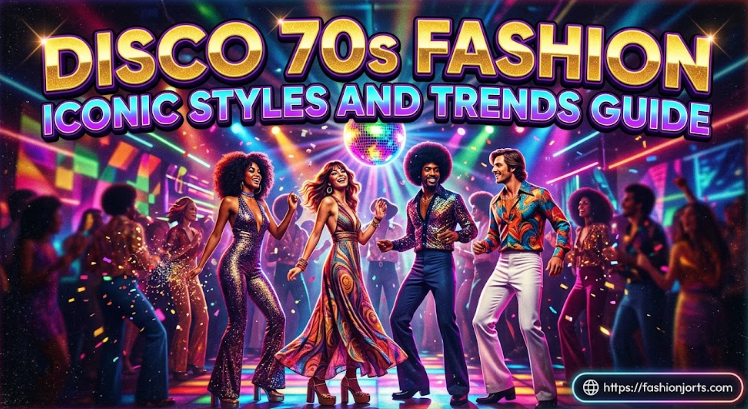
Disco 70s fashion was more than a way of dressing; it was a reflection of an era that valued confidence, creativity, and self-expression. During the 1970s, nightclubs became places where people could experiment with color, movement, and glamour. Clothing was designed to catch attention, whether through sparkling fabrics, dramatic silhouettes, or eye-catching accessories. The disco movement changed fashion by encouraging people to dress for the moment. Instead of blending in, disco style celebrated individuality. From dance floors filled with flashing lights to celebrity-filled clubs, the fashion of the decade created some of the most recognizable looks in modern style history.
The Origins of Disco 70s Fashion
Disco fashion developed during the early and mid-1970s as disco music grew from underground clubs into mainstream entertainment. The rise of dance-focused nightlife created a demand for clothing that looked impressive while allowing people to move comfortably.Unlike previous decades that often focused on strict fashion rules, disco style encouraged experimentation. People mixed glamorous eveningwear with casual pieces, creating outfits that felt personal rather than uniform. The nightclub scene played a major role in spreading these trends. Places known for music, dancing, and celebrity culture became showcases for bold fashion choices, inspiring people around the world to recreate the same energy in their own wardrobes.
The Signature Features of 1970s Disco Style
Shiny Fabrics and Statement Details
One of the strongest characteristics of disco fashion was its love for shine. Designers and clothing makers used materials that reflected light and created movement on the dance floor. Sequins, satin, metallic fabrics, and glitter finishes became popular choices for evening outfits. These materials helped create a dramatic appearance, especially under colorful nightclub lighting. The goal was not simplicity. Disco clothing was designed to be noticed, creating a sense of excitement and celebration.
Bell Bottoms Became a Disco Essential
Bell bottoms were one of the most recognizable clothing items of the 1970s. Their fitted shape around the upper legs and wide flare at the bottom created a unique silhouette that became closely connected with disco culture. Both men and women wore flared trousers with fitted shirts, colorful jackets, and platform shoes. The style balanced comfort and drama, making it practical for dancing while still looking fashionable. Today, bell bottoms remain one of the easiest ways to add a 70s influence to a modern outfit.
The Popularity of Disco Jumpsuits
Jumpsuits became a defining piece of disco fashion because they combined style and freedom of movement. They were often made from stretchy materials that allowed dancers to move easily while maintaining a sleek appearance. Women commonly wore fitted jumpsuits with bold necklines, metallic finishes, or sparkling details. Men also embraced one-piece styles and colorful suits that matched the energetic atmosphere of disco clubs. The jumpsuit represented the confidence and futuristic feeling associated with the era.
Women’s Disco Fashion: Glamour and Confidence
Women’s disco fashion focused on creating a strong visual impact. Popular styles included sequined dresses, halter tops, wrap dresses, fitted bodysuits, and flowing evening outfits. Accessories were also important. Large earrings, statement necklaces, wide belts, and dramatic shoes helped complete the look. The fashion of the period allowed women to experiment with different styles, from elegant and sophisticated outfits to bold and playful clubwear. The common theme was confidence and personal expression.
Men’s Disco Fashion: A New Approach to Style
Men’s fashion during the disco era moved away from traditional formal clothing and embraced brighter, more expressive designs. Popular looks included wide-collar shirts, colorful suits, flared trousers, velvet jackets, and platform shoes. Many outfits featured open shirts and bold patterns that reflected the relaxed attitude of the decade. The white suit worn by John Travolta in Saturday Night Fever became one of the most memorable examples of disco-inspired menswear. It represented the polished, confident image many people associated with the disco scene.
The Influence of Celebrities and Designers
Several cultural figures helped shape the identity of disco fashion. Performers used clothing as part of their stage presence, making fashion an important part of entertainment. Diana Ross became known for glamorous gowns and sparkling performance outfits. Cher gained attention for dramatic and creative costumes that pushed traditional fashion boundaries. Designers also played a major role. Fashion creators developed clothing that combined luxury with movement, helping disco style move from clubs into mainstream fashion.
Hair, Makeup, and Accessories of the Disco Era
Disco fashion was never only about clothing. Hair, makeup, and accessories completed the overall appearance.
Popular hairstyles included:
- Voluminous curls
- Feathered layers
- Long waves
- Natural textured styles
Makeup often featured bold eyeliner, shimmer, glossy lips, and dramatic eye looks. The purpose was to create a glamorous appearance that matched the energy of the dance floor. Accessories such as oversized sunglasses, scarves, gold jewelry, and statement belts added extra personality to outfits.
How Disco Fashion Influences Modern Trends
Although the disco era ended decades ago, its influence continues to appear in modern fashion. Designers frequently revisit elements such as metallic fabrics, flared pants, platform shoes, and sparkling eveningwear. Modern interpretations usually focus on combining vintage inspiration with contemporary pieces. A sequined jacket with simple jeans or flared trousers with a modern shirt can create a stylish look without appearing like a costume. The continued popularity of disco-inspired clothing shows that the era’s focus on confidence and creativity still connects with people today.
Why Disco 70s Fashion Remains Popular
Disco fashion continues to attract attention because it represents freedom and personality. It was a style movement where people were encouraged to experiment and enjoy fashion rather than follow strict expectations. The era created unforgettable clothing designs that remain instantly recognizable. From glittering dresses to iconic suits, disco fashion proved that clothing could be both functional and entertaining. Even today, the spirit of 70s disco style lives on through parties, fashion collections, music performances, and everyday outfits that borrow its bold energy.
Conclusion
Disco 70s fashion captured the excitement of a decade where music, nightlife, and personal style came together. Its unforgettable clothing choices transformed ordinary outfits into expressions of confidence and creativity. The appeal of disco style has lasted because it encourages people to have fun with fashion. Whether through a sparkling accessory, a pair of flared pants, or a complete vintage-inspired outfit, the influence of the disco era continues to shine.