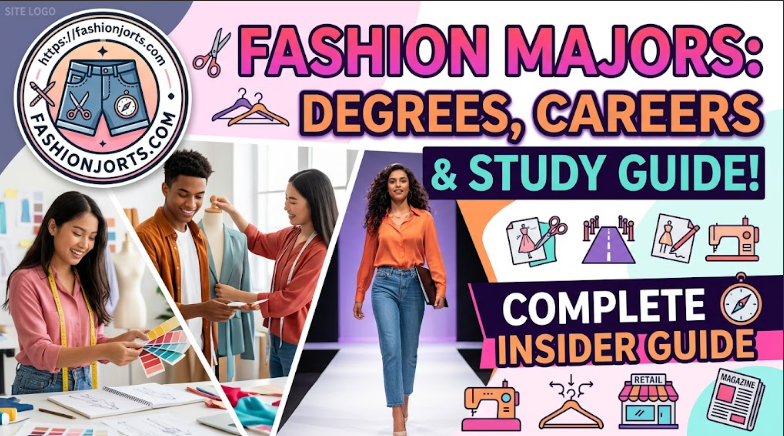
Fashion is often seen as a creative industry built around clothing and trends, but studying fashion involves much more than learning how to design outfits. Modern fashion programs combine creativity with business, technology, communication, and production skills. Students can choose different fashion majors depending on whether they want to create garments, manage brands, analyze consumer behavior, or work behind the scenes in the fashion world. Choosing the right fashion major can be confusing because many programs sound similar but prepare students for very different careers. Understanding what each major teaches, what skills students develop, and where each path can lead makes it easier to find the right fit.
What Are Fashion Majors?
Fashion majors are college programs that prepare students for careers connected to clothing, accessories, retail, and the broader fashion industry. These programs teach both creative and practical skills, helping students understand how fashion ideas become finished products and successful businesses. Some students enter fashion programs because they enjoy designing and creating, while others are interested in the business side of the industry. A fashion degree does not limit graduates to one job role. Depending on their specialization, they may work in design studios, retail companies, marketing agencies, textile companies, or start their own fashion brands.
Fashion Design Major
Fashion Design is the most recognizable fashion degree for students who want to create clothing. This major focuses on turning creative ideas into wearable designs through research, sketches, materials, and construction techniques. Students learn areas such as garment development, pattern creation, fabric selection, sewing, fashion illustration, and collection planning. Many programs also include portfolio projects where students develop original designs that represent their personal style and technical abilities. Graduates often pursue careers as apparel designers, costume designers, assistant designers, technical designers, or creative directors. This major is best suited for people who enjoy experimenting with ideas and have a strong interest in how clothing is made.
Fashion Merchandising Major
Fashion merchandising focuses on how fashion products reach customers. Instead of creating garments, students learn how brands decide what products to sell, how collections are organized, and how consumer preferences influence business decisions. Courses often cover buying, retail operations, product planning, visual presentation, and market research. Students learn how fashion companies predict trends and make decisions about pricing, inventory, and sales strategies. Graduates can work as fashion buyers, merchandise planners, retail managers, product coordinators, or brand representatives. This path is ideal for students who enjoy fashion but are more interested in business and customer behavior than designing clothing.
Fashion Marketing Major
Fashion Marketing focuses on promoting fashion products and building connections between brands and customers. It combines creative communication with marketing principles. Students study topics such as advertising, branding, social media campaigns, consumer psychology, public relations, and digital marketing. They learn how fashion companies create a recognizable identity and communicate their message effectively. Career opportunities include fashion marketing specialist, brand coordinator, social media manager, content creator, and public relations professional. This major suits students who enjoy storytelling, trends, and connecting with audiences.
Fashion Business Management Major
Fashion Business Management is designed for students who want to understand how fashion companies operate. It combines fashion knowledge with skills related to leadership, finance, entrepreneurship, and business strategy. Students learn about fashion operations, supply chains, global markets, retail management, and business planning. The goal is to prepare graduates to make decisions that support the growth and success of fashion organizations. Many graduates move into roles such as fashion business managers, brand managers, entrepreneurs, retail executives, or product managers.
Textile Design Major
Textile Design focuses on the materials used to create fashion products. Before a garment is made, designers need fabrics that provide the right appearance, texture, comfort, and performance. Students explore fabric development, surface patterns, printing techniques, color theory, and material research. Some programs also include lessons about responsible material choices and modern textile technologies. Graduates can work as textile designers, fabric developers, material specialists, and product development professionals. This major is a good choice for students who are interested in the science and creativity behind fabrics.
Fashion Styling and Communication Major
Fashion Styling focuses on creating complete visual concepts through clothing, accessories, and presentation. Stylists help develop the appearance of fashion campaigns, photoshoots, advertisements, and public appearances. Students learn about fashion history, trend research, visual composition, styling techniques, and creative direction. Some programs also include writing, photography, and media production. Career options include fashion stylist, editorial assistant, fashion writer, creative assistant, and visual consultant.
Fashion Technology Major
Technology has introduced new opportunities in fashion, from digital design tools to advanced production methods. Fashion Technology programs combine traditional fashion knowledge with technical skills. Students may study computer-aided design, digital garment creation, production systems, and new approaches to apparel development. These skills are becoming increasingly useful as fashion companies adopt digital workflows. Graduates can work as technical designers, apparel developers, digital fashion specialists, and production professionals.
Sustainable Fashion Major
Sustainable Fashion focuses on creating clothing in ways that reduce environmental impact and encourage responsible production. This area has grown as consumers and companies pay more attention to materials, waste, and ethical manufacturing. Students learn about sustainable fabrics, recycling methods, responsible sourcing, and production practices. Some universities offer sustainability as a separate major, while others include it within broader fashion programs. Career paths include sustainability specialist, ethical sourcing professional, sustainable product developer, and eco-conscious fashion designer.
How to Choose the Right Fashion Major
The best fashion major depends on your interests, strengths, and career goals. Someone who enjoys drawing and creating clothing may prefer fashion design, while a student who enjoys business and customer trends may find merchandising or fashion management more suitable. It is also important to consider the practical opportunities offered by each program. Internships, industry projects, portfolio development, and networking opportunities can make a major difference when entering the fashion industry. Before choosing a program, review the courses, career options, and learning style of each major. A good match between your interests and your degree can help create a stronger foundation for your future career.
Career Opportunities After a Fashion Degree
A fashion degree can lead to many different professional paths. The industry needs designers, business professionals, marketers, material specialists, and technology experts. Graduates may work for fashion houses, retail companies, online fashion platforms, media organizations, or independent businesses. Some professionals also use their education to launch their own clothing labels or creative projects. Success in fashion often depends on a combination of education, practical experience, creativity, and the ability to understand changing customer needs.
Conclusion
Fashion majors provide many different ways to build a career in one of the world’s most creative industries. The field is not limited to designing clothes; it includes business decisions, technology, communication, materials, and customer experiences. Students should choose a major based on the type of work they enjoy and the skills they want to develop. A clear understanding of each program can help them make a smarter education choice. With the right combination of learning, experience, and creativity, a fashion degree can become the foundation for a wide range of professional opportunities.