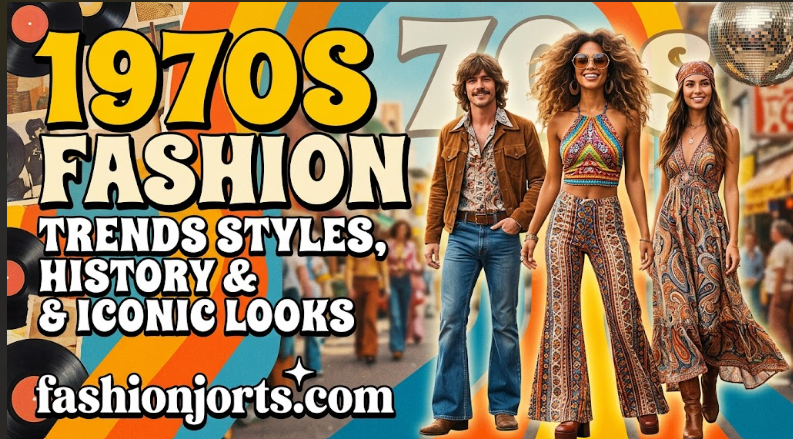
The 1970s fashion era was defined by change. After the structured styles of previous decades, clothing in the 1970s became more relaxed, expressive, and personal. People were no longer interested in following one strict fashion rule. Instead, they mixed different influences, from natural bohemian designs to glamorous disco outfits, creating a decade filled with unforgettable looks. Fashion during this period reflected music, social movements, and changing lifestyles. Denim became a daily essential, colorful patterns gained popularity, and designers experimented with new shapes and materials. Many trends from the 1970s continue to return because they represent confidence, individuality, and freedom.
The Changing Identity of 1970s Style
The beginning of the 1970s carried the influence of the late 1960s, especially the desire for a more relaxed way of living. Many people moved away from formal clothing and preferred comfortable pieces that allowed more movement and personal expression. Unlike earlier decades where fashion often had a clear identity, the 1970s included several styles at once. Someone could wear a flowing maxi dress one day and a sharp tailored suit the next. This variety made the decade one of the most creative periods in fashion history.
Bohemian Fashion and the Return to Natural Style
One of the strongest influences of the early 1970s was the bohemian look. Inspired by the hippie movement, this style focused on comfort, handmade details, and a connection with nature. Women often wore long dresses, loose blouses, embroidered clothing, and layered accessories. Suede jackets, fringe details, and crochet designs became popular choices. Colors were usually warm and earthy, including shades of brown, orange, green, and mustard. The appeal of bohemian fashion came from its relaxed appearance. Instead of looking perfectly polished, outfits often appeared artistic and personal.
Bell-Bottoms Became the Symbol of the Era
Few clothing items represent the decade more than bell-bottom pants. These trousers were fitted around the upper legs before widening below the knee, creating a dramatic shape. Both men and women adopted flared jeans because they were comfortable and worked well with casual clothing. They were often paired with fitted shirts, denim jackets, boots, and platform shoes. Bell-bottoms became closely connected with music culture and youth fashion. Although the trend disappeared for some time, modern versions of flare jeans continue to appear in fashion collections.
Disco Fashion Brought Glamour to Nightlife
The second half of the decade introduced a completely different mood. Disco culture transformed evening fashion with brighter colors, shiny fabrics, and eye-catching designs. People going to clubs wanted clothing that stood out. Sequins, metallic materials, jumpsuits, satin shirts, and platform footwear became popular choices. The famous disco style was designed for movement, allowing people to dance while making a strong visual statement. This period also influenced men’s fashion. Many men experimented with wider collars, colorful shirts, fitted jackets, and stylish suits instead of traditional formalwear.
Denim Became an Everyday Fashion Essential
The 1970s changed the role of denim. Jeans were no longer viewed only as practical clothing. They became a major part of casual fashion and personal style. High-waisted jeans, denim jackets, and matching denim outfits became common. People customized their clothing with patches, embroidery, and personal details, making denim feel unique rather than ordinary.The popularity of denim during this decade helped establish jeans as one of the most important pieces in modern wardrobes.
Women’s Fashion Became More Flexible
Women’s fashion in the 1970s reflected changing attitudes toward independence and self-expression. Clothing choices expanded, allowing women to choose between feminine dresses, casual trousers, and powerful tailored outfits. The wrap dress became one of the decade’s most recognizable designs because it combined comfort with an elegant shape. Jumpsuits also became popular because they offered a stylish alternative to traditional outfits. Pants became increasingly accepted as everyday fashion for women, representing a shift toward practicality and confidence.
Men’s Fashion Moved Beyond Traditional Rules
Men’s clothing during the decade became more adventurous. Bright colors, patterns, and unique designs replaced many of the conservative styles common in previous years. Wide-collar shirts, flared trousers, leather jackets, and patterned sweaters were popular. Some men embraced glam rock influences, using fashion as a way to challenge traditional ideas about appearance. The decade encouraged men to experiment more openly with clothing, colors, and personal style.
Hairstyles and Accessories Defined the Complete Look
Hair and accessories were essential parts of 1970s fashion. Hairstyles often focused on volume, movement, and individuality. Popular looks included layered cuts, feathered hairstyles, long natural hair, afros, and shag styles. Accessories such as oversized sunglasses, large earrings, wide belts, scarves, and statement jewelry helped complete outfits. Shoes also played an important role. Platform shoes became one of the most recognizable footwear trends, worn by both men and women.
Why 1970s Fashion Is Still Popular Today
The influence of 1970s fashion continues because the decade offered something many people still value: freedom of choice. The styles were not limited to one appearance, allowing people to create outfits that matched their personality. Modern designers often revisit the decade through flare jeans, retro prints, suede materials, and relaxed silhouettes. These trends are updated with modern fabrics and cleaner designs while keeping the original spirit of creativity. The lasting popularity of 1970s fashion proves that great style is not only about following trends. It is about confidence, comfort, and expressing who you are.
Conclusion
The 1970s created a fashion identity built around experimentation and personal expression. It was a decade where casual clothing, glamorous outfits, and artistic styles could exist together. Many trends from the era remain recognizable because they were connected to real cultural changes rather than temporary popularity. The decade showed that fashion could be comfortable, creative, and meaningful at the same time. Today, the influence of 1970s fashion continues through modern interpretations that bring back its confidence while adapting it for contemporary style.