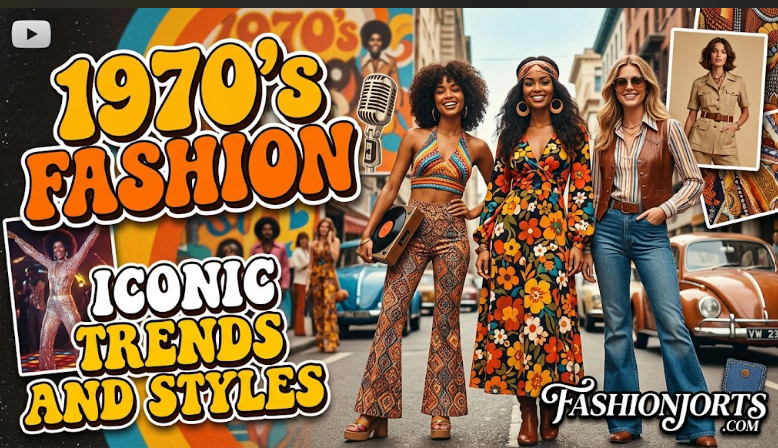
The 1970’s fashion era was a time when clothing became a powerful form of self-expression. Instead of following one strict style, people experimented with different looks that reflected music, culture, changing lifestyles, and personal identity. The decade introduced some of the most recognizable fashion pieces in history, including bell-bottom jeans, platform shoes, flowing dresses, and bold patterns. From relaxed bohemian outfits to glamorous disco clothing and rebellious punk styles, the 1970s gave people more freedom to decide how they wanted to present themselves. Many of these trends continue to influence modern fashion because they combine comfort, creativity, and individuality.
What Made 1970s Fashion Different?
The 1970s moved away from the structured styles of previous decades and embraced a more relaxed approach to dressing. Clothing became less about following traditional rules and more about creating a personal look. During this decade, fashion was influenced by several cultural movements. The lasting impact of the hippie movement brought natural fabrics, handmade details, and relaxed silhouettes, while the rise of disco introduced glamorous outfits designed for nightlife. Toward the end of the decade, punk fashion challenged mainstream ideas with a more rebellious attitude. The variety of styles made the 1970s unique. A person could wear casual denim during the day, a colorful printed outfit in the evening, and a sparkling disco look at night.
The Rise of Bell-Bottom Jeans
Bell-bottom jeans became one of the most recognizable symbols of 1970s fashion. These trousers featured a narrow fit around the upper legs before widening below the knee, creating a dramatic flared shape. Originally connected with workwear and naval clothing, bell-bottoms became popular among young people through music and youth culture. Both men and women wore them, often pairing them with fitted shirts, colorful tops, jackets, and platform shoes. Denim itself became more than a practical fabric during the decade. Jeans represented casual style, independence, and a connection with everyday culture.
Bohemian Style and the Influence of the Hippie Movement
The early 1970s continued the free-spirited style that developed during the late 1960s. Bohemian fashion focused on comfort, creativity, and natural influences. Women often wore long maxi dresses, embroidered tops, flowing skirts, and suede jackets. Floral prints, earthy colors, and handcrafted details were common features. Clothing often appeared relaxed rather than perfectly structured. This style appealed to people who wanted fashion to feel personal and expressive. Instead of matching every piece perfectly, many people combined different textures, patterns, and vintage items to create a unique appearance.
Disco Fashion Brought Glamour to the Decade
The middle and late 1970s introduced a completely different fashion mood through disco culture. Nightclubs became places where people showed off bold outfits with bright colors, shiny fabrics, and eye-catching designs. Disco fashion was known for sequined dresses, jumpsuits, metallic fabrics, fitted silhouettes, and high platform shoes. Clothing was designed to move with dancing and stand out under nightclub lighting. Men also embraced this trend with wide-collar shirts, colorful suits, flared trousers, and leisure suits. The goal was confidence and visibility, creating a sharp contrast with the more relaxed styles of earlier years.
Women’s Fashion Trends of the 1970s
Women’s clothing during the decade reflected a growing interest in comfort and versatility. Many styles could be worn in different settings, from everyday activities to social events. The wrap dress became one of the most memorable designs of the decade because it offered a simple shape that was both practical and stylish. Jumpsuits also became popular, offering an easy alternative to traditional dresses and separates. Wide-leg pants, midi skirts, blouses, and flowing dresses allowed women to experiment with different shapes. Fashion became less restrictive and more focused on personal choice.
Men’s Fashion Became More Colorful
Men’s fashion in the 1970s became much more expressive compared with earlier decades. Traditional rules around men’s clothing relaxed, allowing brighter colors, patterns, and unusual combinations. Popular styles included flared trousers, patterned shirts, three-piece suits, leather jackets, and platform footwear. Musicians and entertainers played a major role in introducing dramatic styles to wider audiences. The decade also saw men experimenting more with hairstyles, including longer cuts, facial hair, and natural textures.
Denim Became an Everyday Fashion Choice
The 1970s helped transform denim into a major part of everyday fashion. Jeans were no longer limited to practical clothing; they became a statement of casual style. People wore denim jackets, flared jeans, denim shirts, and customized pieces decorated with patches or embroidery. Personalizing clothing became a popular way to create a look that felt individual. This approach to denim continues today, with many modern fashion brands returning to vintage-inspired denim designs.
Punk Fashion Challenged Mainstream Style
At the end of the decade, punk fashion introduced a completely different attitude. Instead of focusing on glamour or traditional beauty standards, punk clothing emphasized rebellion and self-expression. Leather jackets, ripped clothing, boots, safety pins, and bold hairstyles became associated with the movement. Punk fashion showed that clothing could communicate ideas, attitudes, and social messages. Although it started as a smaller underground movement, punk had a lasting influence on designers and street style around the world.
Hairstyles and Accessories That Defined the Era
Hair and accessories were essential parts of the 1970s look. Many hairstyles focused on natural movement, volume, and individuality. Layered cuts, feathered hairstyles, afros, and longer hairstyles became popular. Accessories such as oversized sunglasses, wide belts, scarves, large earrings, and platform shoes helped complete outfits. Fashion during this period was not just about clothing. Every detail, from hairstyle to footwear, contributed to the overall style.
Why 1970s Fashion Is Still Influential Today
The popularity of 1970s fashion continues because many of its ideas fit modern preferences. Today’s designers often revisit the decade’s relaxed shapes, vintage patterns, denim styles, and statement accessories. The lasting appeal of the 1970s comes from its variety. It allowed people to choose between different aesthetics instead of following one fixed trend. Whether through a pair of flared jeans, a bohemian dress, or a retro-inspired jacket, the influence of the decade remains visible in modern wardrobes.
Conclusion
The 1970s fashion era changed the way people viewed clothing by making personal expression a central part of style. Instead of following one formula, people explored different looks that matched their personality and lifestyle. From denim and bohemian clothing to disco glamour and punk rebellion, the decade created trends that remain recognizable today. Its influence continues because the best 1970s styles were built around creativity, confidence, and individuality. For anyone interested in vintage fashion, the 1970s remain one of the most inspiring decades to explore.